

Can an LCD backlight be used in a projector?
Leave a message

In the world of display technology, both LCD backlights and projectors play crucial roles, each with its own unique features and applications. As an LCD Backlight supplier, I often receive inquiries about the possibility of using an LCD backlight in a projector. This blog post aims to explore this topic in depth, analyzing the technical aspects, advantages, limitations, and potential applications of such a combination.
Understanding LCD Backlights and Projectors
Before delving into the question of whether an LCD backlight can be used in a projector, it's essential to understand the basic principles of both technologies.
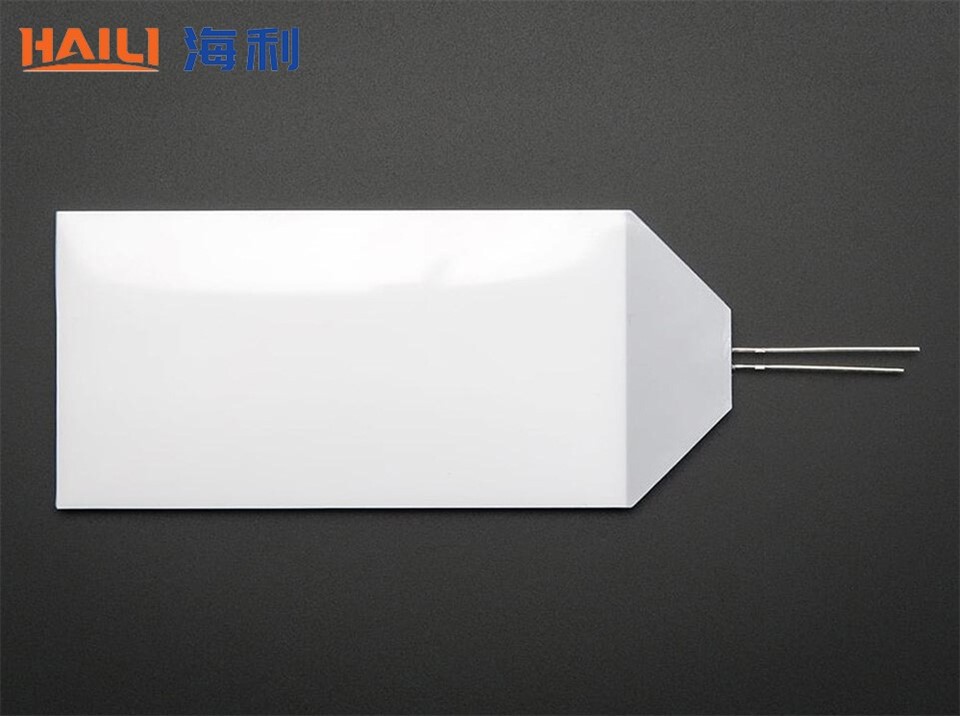
An LCD (Liquid Crystal Display) backlight is a key component in LCD screens. It provides the necessary illumination for the liquid crystals to display images. There are different types of LCD backlights, including Cold Cathode Fluorescent Lamps (CCFL) and Light - Emitting Diodes (LED). LED Backlights with Fluorescent Colors are particularly popular due to their energy efficiency, long lifespan, and ability to produce vibrant colors. LCD Backlights are designed to provide uniform illumination across the entire display area, ensuring clear and sharp images.

On the other hand, a projector is a device that projects an image or video onto a large screen or surface. There are several types of projectors, such as DLP (Digital Light Processing), LCD projectors, and LCoS (Liquid Crystal on Silicon) projectors. LCD projectors use three LCD panels (one for each primary color: red, green, and blue) to modulate light from a high - intensity light source, typically a metal halide lamp or an LED. The modulated light is then projected onto the screen to form an image.
Technical Feasibility of Using an LCD Backlight in a Projector
Compatibility of Light Sources
One of the primary considerations when using an LCD backlight in a projector is the compatibility of the light source. LCD backlights are designed to provide relatively low - intensity, uniform illumination for small to medium - sized LCD panels. In contrast, projectors require a high - intensity light source to project a bright image onto a large screen.
Most LCD backlights, especially those used in consumer electronics like laptops and monitors, do not have the necessary brightness to be used directly as a light source in a projector. However, some high - power LED - based LCD backlights could potentially be adapted for use in projectors. These high - power LED backlights can produce a sufficient amount of light, but they may need to be re - engineered to meet the specific requirements of a projector, such as focusing the light and ensuring proper color mixing.
Optical System
The optical system in a projector is designed to work with a specific type of light source. When considering using an LCD backlight, the optical system may need to be modified. For example, the lenses, mirrors, and filters in a projector are optimized for the light characteristics of the original light source, such as its spectral distribution and beam profile. An LCD backlight may have a different spectral distribution and beam profile, which could affect the image quality, color accuracy, and focus of the projected image.
Heat Dissipation
Projectors generate a significant amount of heat, especially when using high - intensity light sources. LCD backlights also produce heat, although generally less than the light sources used in traditional projectors. However, when adapting an LCD backlight for use in a projector, the heat dissipation system may need to be re - evaluated. Inadequate heat dissipation can lead to reduced performance, shorter lifespan of the components, and even damage to the projector.
Advantages of Using an LCD Backlight in a Projector
Energy Efficiency
LED - based LCD backlights are known for their energy efficiency. Compared to traditional projector light sources like metal halide lamps, LED backlights consume less power. This can result in lower operating costs and a reduced environmental impact. Additionally, LED backlights have a longer lifespan, which means less frequent replacement of the light source.
Color Accuracy
LCD backlights can offer excellent color accuracy, especially when using advanced LED technology. This can be beneficial for projectors, as it allows for more vibrant and true - to - life colors in the projected image. With the ability to precisely control the color output, an LCD backlight can enhance the visual experience for the viewers.
Instant On/Off
Unlike some traditional projector light sources that require a warm - up time before reaching full brightness and a cool - down period before being turned off, LED - based LCD backlights can be turned on and off instantly. This provides greater convenience and flexibility in using the projector.
Limitations of Using an LCD Backlight in a Projector
Brightness Limitations
As mentioned earlier, most standard LCD backlights do not have the necessary brightness to project a clear and visible image onto a large screen. Even high - power LED backlights may struggle to achieve the same level of brightness as traditional projector light sources, especially in large - scale projection applications.
Cost
High - power LED backlights that could potentially be used in projectors are often more expensive than traditional projector light sources. The additional cost of re - engineering the backlight to fit the projector's requirements can further increase the overall cost. This may make the use of an LCD backlight in a projector less cost - effective for some applications.
Potential Applications
Despite the limitations, there are some potential applications where using an LCD backlight in a projector could be viable.
Small - Scale Projection
For small - scale projection applications, such as home theaters or small meeting rooms, an LCD backlight - based projector could be a suitable option. The lower brightness requirements in these settings make it more feasible to use an LCD backlight. Additionally, the energy efficiency and color accuracy of LCD backlights can enhance the viewing experience in these environments.
Portable Projectors
Portable projectors require a compact and energy - efficient light source. An LCD backlight, especially a high - power LED backlight, could meet these requirements. The instant on/off feature of LED backlights also makes them ideal for portable projectors, as users can quickly set up and start using the projector.
Conclusion
In conclusion, while it is technically possible to use an LCD backlight in a projector, there are several challenges that need to be addressed, including brightness, optical system compatibility, heat dissipation, and cost. However, the advantages of energy efficiency, color accuracy, and instant on/off make it an attractive option for certain applications, such as small - scale projection and portable projectors.
As an LCD Backlight supplier, we are constantly exploring new technologies and applications to meet the evolving needs of the market. If you are interested in exploring the possibility of using an LCD backlight in your projector or have any other questions about our LCD backlight products, please feel free to contact us for further discussion and potential procurement. We are committed to providing high - quality LCD backlight solutions and working with you to develop innovative display technologies.
References
- "Fundamentals of Display Technology" by John F. Wager
- "Projection Display Technology" by R. H. Giles


