

Can an LED backlight cause eye strain?
Leave a message

In the modern digital age, LED backlights have become ubiquitous, illuminating everything from smartphones and tablets to computer monitors and televisions. As an LED backlight supplier, I often encounter concerns from customers about whether these backlights can cause eye strain. This concern is not unfounded, given the increasing amount of time we spend in front of screens. In this blog, I'll delve into the science behind LED backlights and their potential impact on eye health.
How LED Backlights Work
Before discussing the relationship between LED backlights and eye strain, it's important to understand how they function. LED, or Light - Emitting Diode, backlights are a type of lighting technology used to provide illumination for liquid - crystal displays (LCDs). Unlike traditional cold cathode fluorescent lamps (CCFLs), LEDs are more energy - efficient, have a longer lifespan, and can offer better color accuracy.
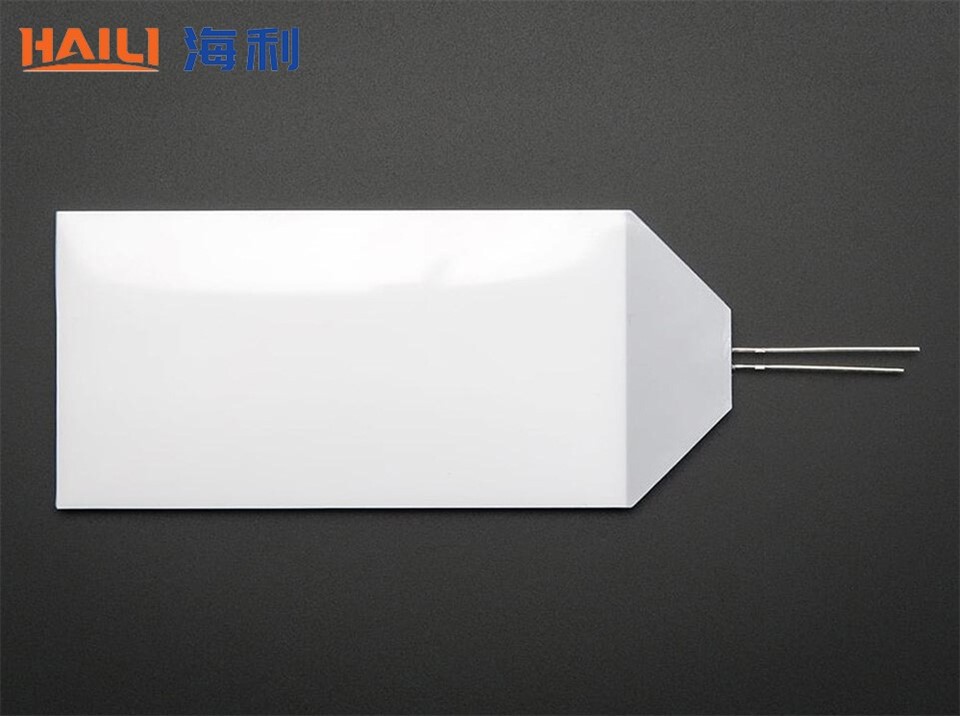
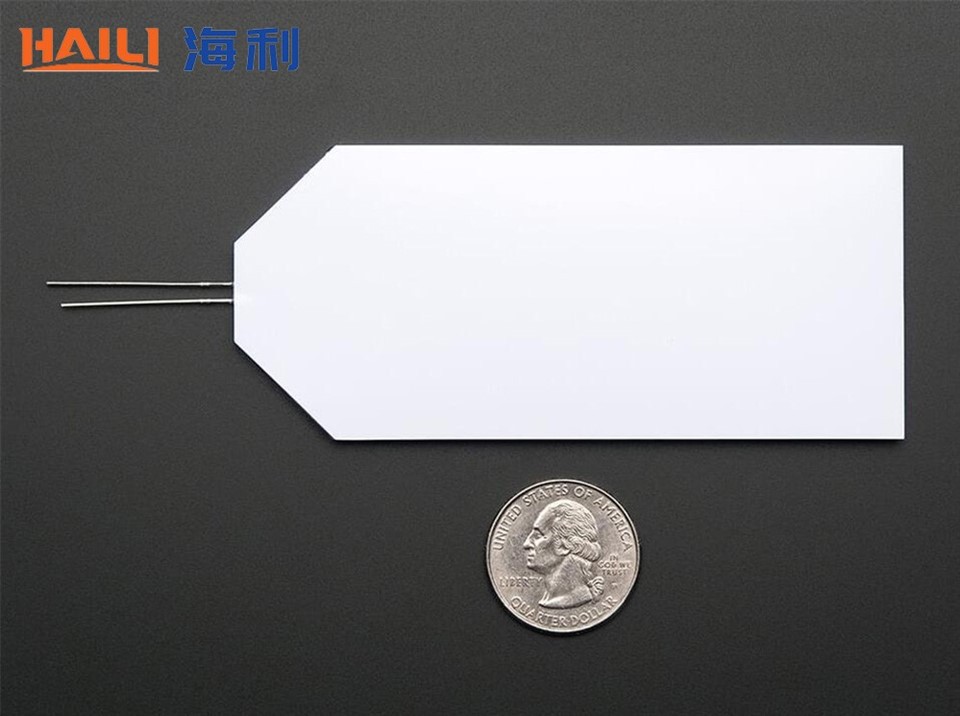
LED backlights work by emitting light when an electric current passes through a semiconductor material. There are two main types of LED backlighting for LCDs: edge - lit and direct - lit. Edge - lit LED backlights place the LEDs around the edges of the display, while direct - lit backlights have LEDs placed directly behind the LCD panel. Each type has its own advantages in terms of cost, thickness, and light distribution. You can explore our LCD Backlight options on our website for more details.
Potential Causes of Eye Strain
Eye strain is a common condition that can cause discomfort, fatigue, headaches, and blurred vision. There are several factors that can contribute to eye strain when using devices with LED backlights:
Blue Light Emission
One of the primary concerns regarding LED backlights is their blue light emission. Blue light has a short wavelength and high energy, and it is naturally present in sunlight. However, LED backlights can emit a relatively high amount of blue light. Prolonged exposure to blue light can disrupt the body's natural sleep - wake cycle, also known as the circadian rhythm. It can also cause digital eye strain, as the eye has to work harder to focus on the high - energy blue light.
Flickering
Another potential cause of eye strain is flickering. Flickering occurs when the light output of an LED backlight fluctuates rapidly. This can be caused by issues with the power supply or the LED driver. Even if the flickering is not visible to the naked eye, it can still cause eye fatigue and headaches over time.
Screen Brightness and Contrast
Incorrect screen brightness and contrast settings can also lead to eye strain. If the screen is too bright, it can cause glare and discomfort. On the other hand, if the screen is too dim, the eyes have to work harder to read the content. Finding the right balance of brightness and contrast is crucial for comfortable viewing.
Scientific Research on LED Backlights and Eye Strain
Numerous scientific studies have been conducted to investigate the relationship between LED backlights and eye strain. Some studies have suggested that the blue light emitted by LED backlights can have a negative impact on eye health, especially when exposure occurs at night. However, other research indicates that the overall risk of eye damage from LED backlights is relatively low, as long as proper precautions are taken.
For example, a study published in the Journal of Vision found that prolonged exposure to blue - enriched white light can cause visual fatigue and discomfort. But the same study also noted that adjusting the color temperature of the backlight to reduce the blue light content can mitigate these effects.
Mitigating the Risk of Eye Strain
As an LED backlight supplier, I am committed to providing products that minimize the risk of eye strain. Here are some ways we and our customers can address these concerns:
Blue Light Filtering
We offer LED Backlight with Fluorescent Colors that incorporate blue light filtering technology. These backlights can reduce the amount of blue light emitted without sacrificing color accuracy or brightness. Customers can also use blue light - blocking glasses or software on their devices to further reduce blue light exposure.
Flicker - Free Design
Our LED backlights are designed to be flicker - free. We use high - quality LED drivers and power supplies to ensure a stable light output. This helps to reduce eye fatigue and headaches associated with flickering.
Adjustable Brightness and Contrast
We provide backlights with adjustable brightness and contrast settings. This allows users to customize the display according to their environment and personal preferences. For example, in a bright room, a higher brightness setting may be necessary, while in a dimly lit room, a lower setting can prevent glare.
Conclusion
So, can an LED backlight cause eye strain? The answer is that it can, but the risk can be significantly reduced with proper design and usage. As an LED backlight supplier, I am dedicated to developing products that prioritize eye health. Our LED backlights are engineered to minimize blue light emission, eliminate flickering, and offer adjustable settings for optimal viewing comfort.
If you are in the market for high - quality LED backlights that are gentle on the eyes, I encourage you to reach out to us. We are happy to discuss your specific requirements and provide customized solutions. Whether you need backlights for small - screen devices or large - format displays, we have the expertise and products to meet your needs. Contact us to start a procurement discussion and find the perfect LED backlight for your project.
References
- Journal of Vision study on blue - enriched white light and visual fatigue
- Various research papers on LED backlight technology and eye health


