

Can HTN LCD display be used in industrial control systems?
Leave a message

Hey there! As a supplier of HTN LCD displays, I often get asked if these displays can be used in industrial control systems. Well, let's dive right into it and explore this topic.
First off, let's understand what HTN LCD displays are. HTN stands for High-Twist Nematic. These displays offer better contrast and wider viewing angles compared to some other types of LCDs. They're known for their sharp and clear visuals, which is a big plus in many applications.
Now, when it comes to industrial control systems, there are several key requirements that a display needs to meet. Reliability is at the top of the list. Industrial environments can be harsh, with factors like extreme temperatures, humidity, vibration, and dust. HTN LCD displays are designed to be quite robust. They can handle a relatively wide range of temperatures. Some models can operate in temperatures from -20°C to 70°C or even more, which makes them suitable for many industrial settings. Whether it's a hot factory floor or a cold storage facility, HTN LCDs can keep on working.
Another important aspect is visibility. In industrial control systems, operators need to be able to clearly see the information on the display at all times. HTN LCDs have good contrast ratios, which means that the text and graphics on the screen are easy to distinguish. They also offer decent viewing angles, so operators can view the display from different positions without experiencing significant loss of visibility. This is crucial in situations where the operator might not always be directly in front of the display.
Let's talk about the power consumption. Industrial control systems often need to be energy - efficient. HTN LCD displays generally consume less power compared to some other display technologies. This is beneficial as it helps in reducing the overall energy costs of the system. Also, lower power consumption means less heat generation, which is a plus in industrial environments where heat management can be a challenge.
In terms of compatibility, HTN LCD displays can be easily integrated into industrial control systems. They can interface with various types of controllers and microprocessors. Whether it's a simple PLC (Programmable Logic Controller) or a more complex industrial computer, HTN LCDs can be connected and configured to display the required information.
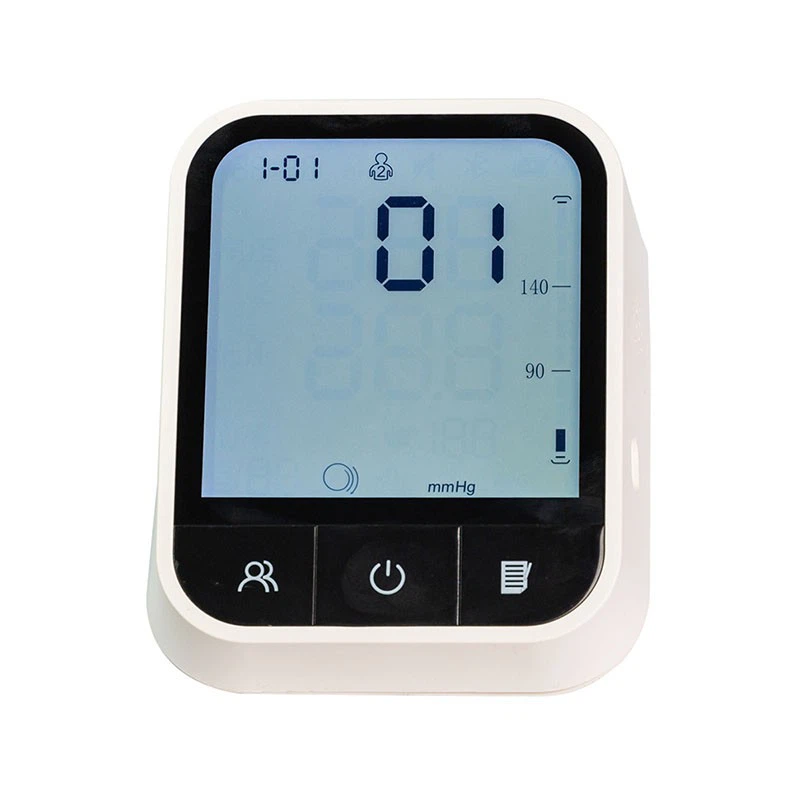

However, like any technology, HTN LCD displays also have their limitations. One of the main limitations is the response time. In some high - speed industrial applications where rapid changes in the display content are required, the response time of HTN LCDs might not be fast enough. For example, in applications where there are fast - moving graphics or real - time video feeds, the display might show some blurring or ghosting.
Another consideration is the color capabilities. HTN LCDs are typically monochrome or have limited color options. In industrial applications where color coding is important for easy identification of different parameters or statuses, HTN LCDs might not be the best choice. In such cases, color TFT (Thin - Film Transistor) LCDs might be more suitable.
Now, let's take a look at some real - world examples of where HTN LCD displays are used in industrial control systems. In manufacturing plants, they're used to display machine status, production counts, and error messages. Operators can quickly glance at the display to see if the machine is running properly or if there are any issues. In the energy sector, HTN LCDs are used in control panels of power generation plants and substations to display voltage, current, and other electrical parameters.
If you're in the market for a reliable display for your industrial control system, you might want to check out our Positive Transmissive HTN LCD Display. It offers all the benefits of HTN technology with enhanced transmissive capabilities, providing clear and bright visuals even in well - lit industrial environments.
To sum it up, HTN LCD displays can definitely be used in industrial control systems, especially in applications where reliability, visibility, power efficiency, and cost - effectiveness are important. But you need to carefully consider the specific requirements of your application, such as response time and color needs, before making a decision.
If you're interested in learning more about how our HTN LCD displays can fit into your industrial control system, or if you want to place an order, don't hesitate to reach out. We're here to help you find the best display solution for your needs.
References:
- "LCD Technology and Applications" - A technical guidebook on various LCD technologies
- Industry reports on display technologies for industrial control systems


