

Do Segment LCD Modules need a backlight?
Leave a message

Do Segment LCD Modules need a backlight?
As a supplier of Segment LCD Modules, I often encounter inquiries from customers about whether these modules require a backlight. This is a crucial question that can significantly impact the performance and usability of the LCDs in various applications. In this blog, I will delve into the details of Segment LCD Modules and explore the necessity of a backlight.
Understanding Segment LCD Modules
Segment LCD Modules are a type of liquid - crystal display that uses segmented electrodes to form numbers, letters, or simple symbols. They are widely used in applications where basic numerical or simple graphical information needs to be displayed, such as calculators, digital watches, thermometers, and automotive dashboard displays.
These modules work based on the principle of liquid - crystal molecules changing their orientation in response to an applied electric field. When a voltage is applied to a specific segment, the liquid - crystal molecules align in a way that either allows or blocks the passage of light, creating a visible segment on the display.
The Role of Backlight in LCDs
A backlight is a light source placed behind the LCD panel to illuminate the display. It is commonly used in many types of LCDs, especially those that need to be visible in low - light or dark environments. Backlights can improve the readability of the display by providing sufficient light for the user to see the information clearly.
There are different types of backlights, including LED (Light - Emitting Diode) backlights, which are popular due to their energy efficiency, long lifespan, and small size.
Do Segment LCD Modules Need a Backlight?
The answer to whether Segment LCD Modules need a backlight depends on several factors:
1. Application Environment
- Bright Environments: In well - lit environments, such as outdoor sunlight or brightly lit indoor spaces, Segment LCD Modules can often be read without a backlight. The ambient light is sufficient to illuminate the segments, and the contrast between the activated and non - activated segments is usually clear enough for the user to read the information. For example, a calculator used in a sunny office or a digital watch worn outdoors during the day does not necessarily require a backlight.
- Low - Light or Dark Environments: In contrast, in low - light or dark environments, such as at night or in a dimly lit room, a backlight becomes essential for readability. For instance, an automotive dashboard display needs to be visible at night, so a backlight is necessary to ensure that the driver can easily read the speed, fuel level, and other important information.
2. Display Requirements
- High Contrast and Visibility: Some applications require high - contrast and highly visible displays. A backlight can enhance the contrast between the segments and the background, making the information stand out more clearly. This is particularly important for displays that need to convey critical information, such as medical devices or industrial control panels.
- Simple Information Display: If the Segment LCD Module is only used to display simple information, such as a basic thermometer that only shows the temperature, and the application does not require high - end visibility, a backlight may not be necessary.
3. Power Consumption
- Battery - Powered Devices: For battery - powered devices, power consumption is a critical consideration. Backlights consume additional power, which can reduce the battery life of the device. In applications where power efficiency is a priority, such as a portable calculator or a battery - operated digital watch, manufacturers may choose not to include a backlight or use a very low - power backlight option.
- Non - Battery - Powered Devices: In devices that are connected to a stable power source, such as a wall outlet, power consumption may be less of a concern. Therefore, these devices can more easily accommodate a backlight to improve the display's readability.
Advantages of Using a Backlight in Segment LCD Modules
- Improved Readability: As mentioned earlier, a backlight significantly improves the readability of the display in low - light conditions. This makes the information on the Segment LCD Module more accessible to users at all times.
- Enhanced Aesthetics: A well - designed backlight can also enhance the overall aesthetics of the device. It can give the display a modern and professional look, which is important for consumer products.
- Versatility: With a backlight, Segment LCD Modules can be used in a wider range of environments, increasing their versatility and marketability.
Disadvantages of Using a Backlight in Segment LCD Modules
- Increased Cost: Adding a backlight to a Segment LCD Module increases the manufacturing cost. This includes the cost of the backlight components, as well as the additional assembly and testing required.
- Higher Power Consumption: As discussed, backlights consume more power, which can be a drawback for battery - powered devices.
- Heat Generation: Backlights, especially high - intensity ones, can generate heat. This may require additional heat dissipation measures, which can further increase the cost and complexity of the device.
Our Product Offerings
As a Segment LCD Module supplier, we offer a wide range of products to meet different customer needs. We have both backlit and non - backlit Segment LCD Modules available.
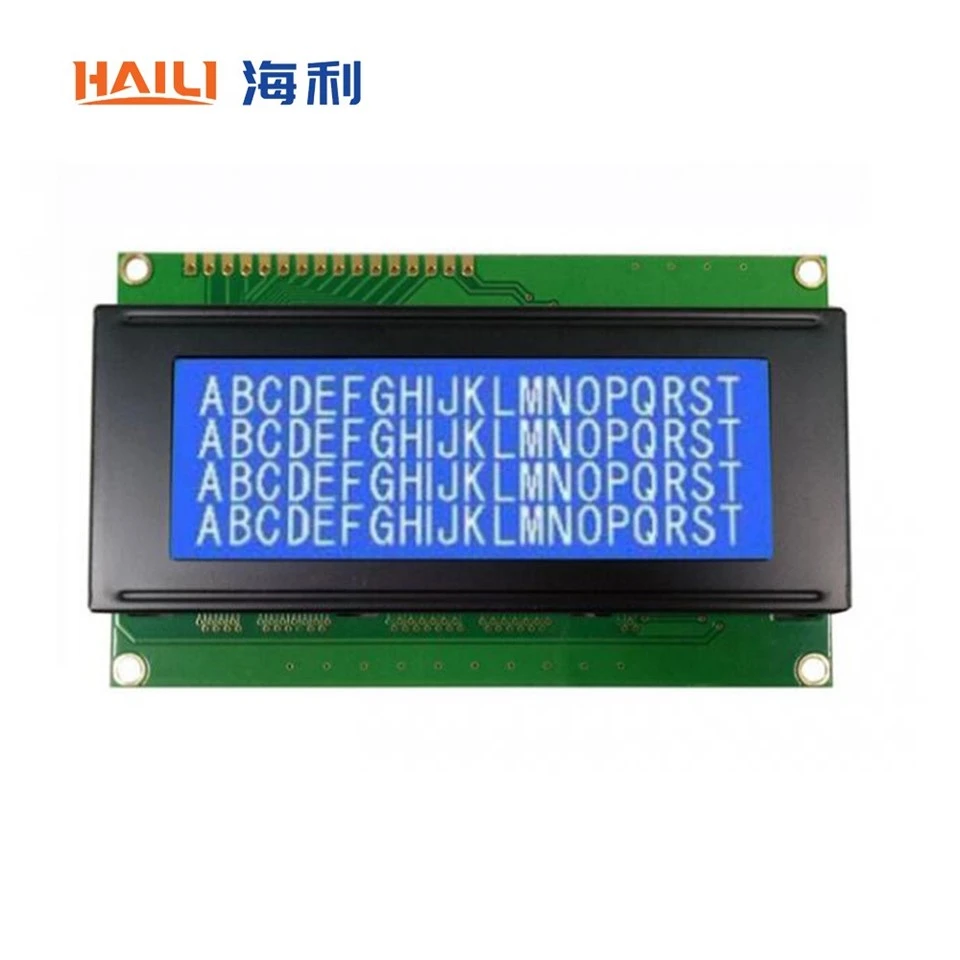
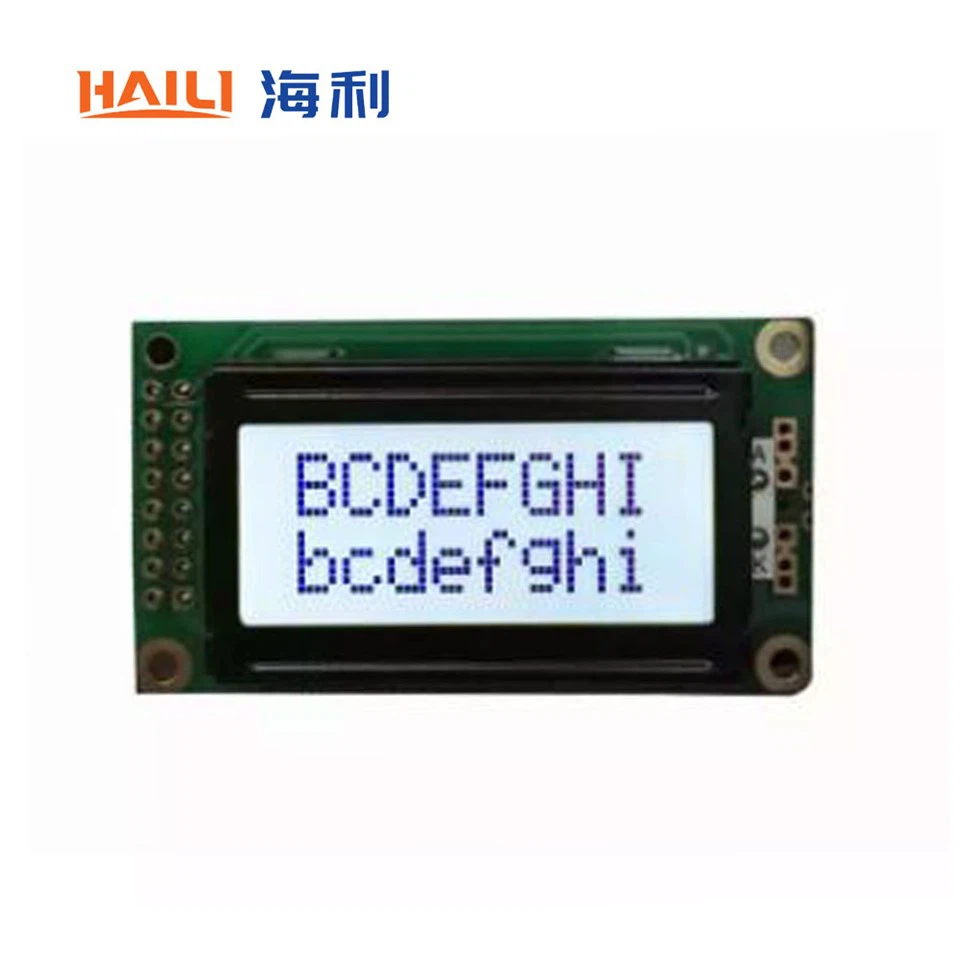
For those interested in character LCD modules, we also provide options such as the 20x4 Character LCD Module, 12864 Character LCD Module, and 8x2 Character LCD Module. These modules can be customized with or without backlights depending on your specific requirements.
Contact Us for Purchase and Negotiation
If you are in the market for Segment LCD Modules or have any questions about whether a backlight is suitable for your application, we encourage you to contact us. Our team of experts is ready to provide you with detailed information and help you make the right choice for your project. We can offer competitive prices, high - quality products, and excellent customer service. Whether you need a small - scale order for prototyping or a large - scale production order, we are here to support you.
References
- Feller, M. (2018). LCD Displays: Principles and Applications. Springer.
- Koleske, D. D. (2010). Handbook of Display Technology. Wiley.
- Tsai, C. - C., & Wu, S. - T. (2014). Liquid Crystal Displays: Addressing Schemes and Electro - Optical Effects. Wiley.


