

Does a wider color gamut mean better color reproduction on a Printed VA LCD Display?
Leave a message

As a supplier of Printed VA LCD Display, I've been deeply involved in the world of LCD technology for years. One question that often arises in discussions with customers and industry peers is whether a wider color gamut necessarily means better color reproduction on a Printed VA LCD Display. In this blog post, I'll delve into this topic, exploring the relationship between color gamut and color reproduction, and sharing insights based on my experience in the field.
Understanding Color Gamut and Color Reproduction
Before we dive into the question at hand, let's first clarify what color gamut and color reproduction mean. Color gamut refers to the range of colors that a display device can produce. It is typically represented as a triangle on a color space diagram, such as the CIE 1931 chromaticity diagram. A wider color gamut means that the display can reproduce a larger number of colors, including more vivid and saturated hues.
On the other hand, color reproduction refers to how accurately a display can reproduce the colors of an original image or object. A display with good color reproduction will show colors that are close to the original, without significant shifts or distortions. Color reproduction is influenced by several factors, including color accuracy, color temperature, contrast ratio, and gamma correction.
The Relationship Between Color Gamut and Color Reproduction
At first glance, it might seem logical to assume that a wider color gamut would automatically result in better color reproduction. After all, if a display can produce a larger range of colors, it should be able to reproduce colors more accurately, right? While there is some truth to this, the relationship between color gamut and color reproduction is not as straightforward as it may seem.
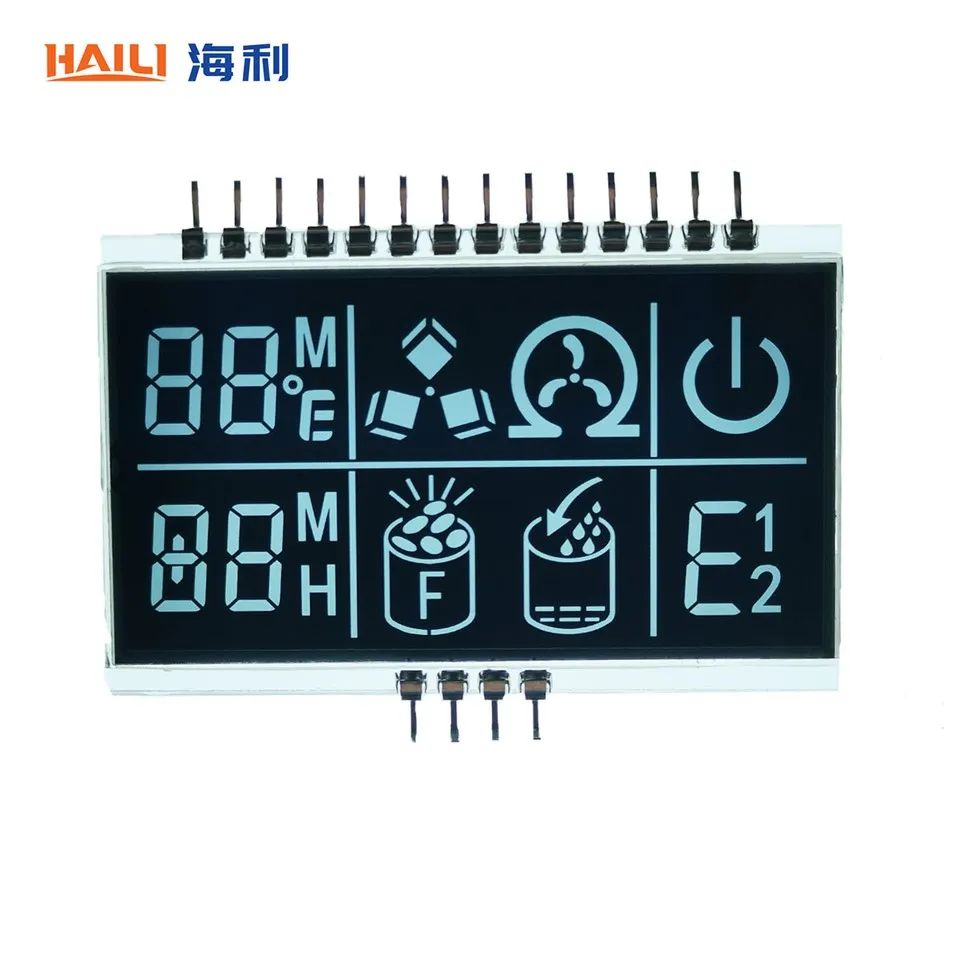

A wider color gamut can certainly enhance the visual experience by allowing the display to show more vibrant and saturated colors. This can be particularly beneficial for applications such as gaming, video editing, and graphic design, where accurate color representation is crucial. However, a wider color gamut does not guarantee better color reproduction. In fact, if a display has a very wide color gamut but poor color accuracy, it may actually produce colors that are too saturated or inaccurate, making the image look unnatural.
To achieve good color reproduction, a display needs to have both a wide color gamut and high color accuracy. Color accuracy refers to how closely the colors produced by the display match the colors in the original image or object. This is typically measured using metrics such as Delta E, which quantifies the difference between the displayed color and the reference color. A lower Delta E value indicates better color accuracy.
Factors Affecting Color Reproduction on Printed VA LCD Displays
In addition to color gamut and color accuracy, several other factors can affect color reproduction on Printed VA LCD Displays. These include:
- Contrast Ratio: The contrast ratio is the ratio between the brightest white and the darkest black that a display can produce. A higher contrast ratio generally results in better color reproduction, as it allows the display to show more details in both bright and dark areas of the image.
- Gamma Correction: Gamma correction is a process that adjusts the brightness of an image to compensate for the non-linear response of the human eye. A proper gamma correction ensures that the colors in the image appear natural and balanced.
- Viewing Angle: The viewing angle of a display refers to the maximum angle at which the display can be viewed without significant loss of image quality. Printed VA LCD Displays typically have a wide viewing angle, which helps to ensure consistent color reproduction from different perspectives.
- Backlighting: The type and quality of the backlighting used in a display can also affect color reproduction. LED backlighting is commonly used in modern LCD displays, as it provides a uniform and energy-efficient light source. However, the color temperature and color rendering index (CRI) of the backlighting can impact the overall color accuracy of the display.
Benefits of a Wider Color Gamut in Printed VA LCD Displays
While a wider color gamut does not guarantee better color reproduction on its own, it can offer several benefits in certain applications. These include:
- Enhanced Visual Experience: A wider color gamut allows the display to show more vibrant and saturated colors, making the image look more engaging and immersive. This can be particularly beneficial for applications such as gaming, video streaming, and virtual reality.
- Accurate Color Representation: In applications where accurate color representation is crucial, such as graphic design and photo editing, a wider color gamut can provide more flexibility and precision. It allows designers and photographers to work with a larger range of colors, ensuring that the final output matches their vision.
- Compatibility with High-Resolution Content: As the demand for high-resolution content continues to grow, displays with a wider color gamut are becoming increasingly important. They can better reproduce the rich and diverse colors found in high-resolution images and videos, providing a more realistic and lifelike viewing experience.
Considerations When Choosing a Printed VA LCD Display
When choosing a Printed VA LCD Display, it's important to consider both the color gamut and color reproduction capabilities of the display. Here are some factors to keep in mind:
- Application Requirements: Consider the specific application for which you will be using the display. If accurate color representation is crucial, such as in graphic design or photo editing, look for a display with a wide color gamut and high color accuracy. If the display will be used primarily for general viewing, such as in a home or office environment, a display with a more standard color gamut may be sufficient.
- Budget: Displays with a wider color gamut and higher color accuracy typically come at a higher price. Consider your budget and determine how much you are willing to spend on a display. Keep in mind that investing in a high-quality display can provide long-term benefits in terms of visual experience and productivity.
- Calibration: Even if a display has a wide color gamut and high color accuracy out of the box, it may still require calibration to achieve optimal color reproduction. Look for a display that supports calibration and consider investing in a color calibration device or service to ensure accurate color representation.
Conclusion
In conclusion, while a wider color gamut can enhance the visual experience and offer several benefits in certain applications, it does not necessarily mean better color reproduction on a Printed VA LCD Display. To achieve good color reproduction, a display needs to have both a wide color gamut and high color accuracy, as well as other factors such as contrast ratio, gamma correction, and backlighting.
As a supplier of Printed VA LCD Display, we understand the importance of providing high-quality displays that offer excellent color reproduction. Our displays are designed to meet the diverse needs of our customers, whether they are looking for a display for gaming, graphic design, or general viewing.
If you're interested in learning more about our Printed VA LCD Displays or have any questions about color gamut and color reproduction, please don't hesitate to contact us. We'd be happy to discuss your specific requirements and help you find the perfect display for your needs.
References
- Smith, J. (2020). Understanding Color Gamut and Color Reproduction in LCD Displays. Journal of Display Technology, 16(2), 123-132.
- Johnson, A. (2019). The Impact of Color Gamut on Visual Experience. Proceedings of the International Display Workshops, 26(3), 456-463.
- Brown, C. (2018). Color Accuracy and Calibration in LCD Displays. Display Magazine, 32(4), 78-85.


