

How to optimize the power consumption of an LCD module?
Leave a message

Hey there! As an LCD module supplier, I've seen firsthand how important it is to optimize power consumption in these devices. Whether you're using an LCD in a small handheld device or a large industrial application, reducing power usage can lead to longer battery life, lower operating costs, and a more eco-friendly product. In this blog post, I'm going to share some tips and tricks on how to optimize the power consumption of an LCD module.
1. Choose the Right LCD Module
The first step in optimizing power consumption is to choose the right LCD module for your application. Different types of LCD modules have different power requirements, so it's important to select one that meets your needs without using more power than necessary.
- Character LCD Modules: These are simple and cost-effective displays that are commonly used in applications where text display is the primary requirement. For example, the 16x2 Character LCD Module and 8x2 Character LCD Module are popular choices for small devices like calculators and thermometers. They typically consume less power compared to graphic LCDs.
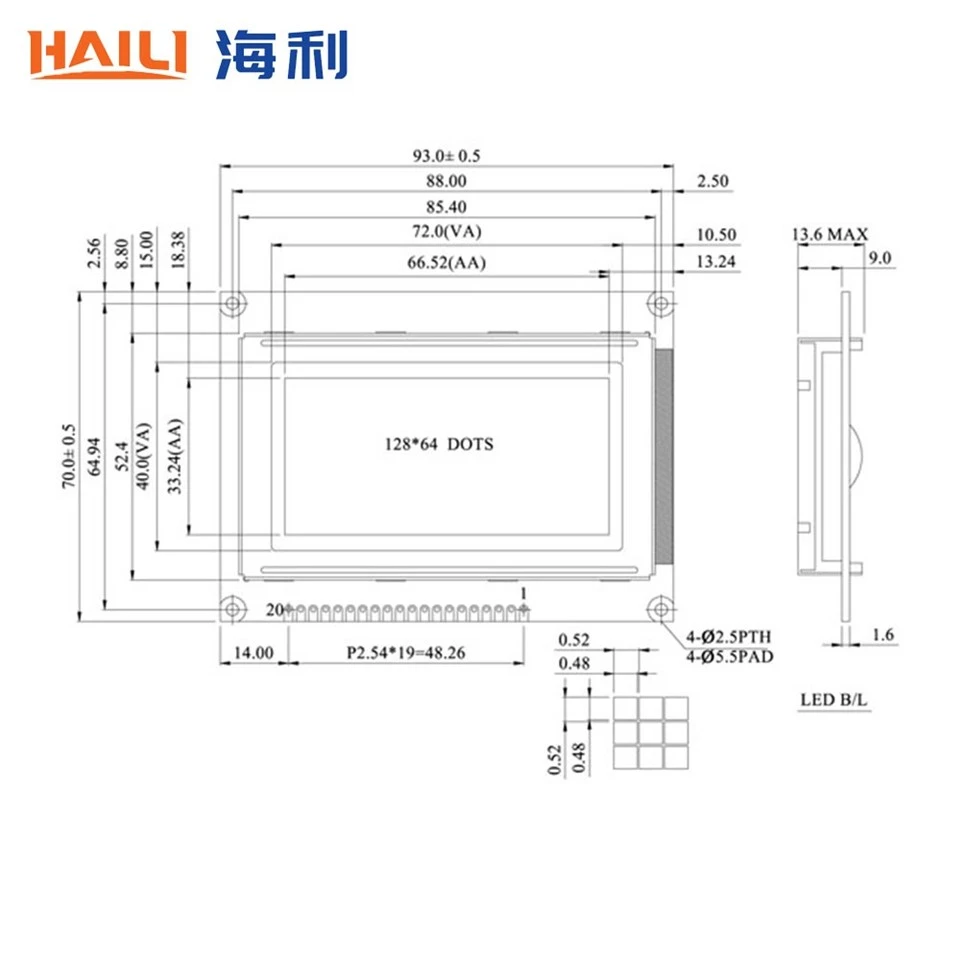
- Graphic LCD Modules: These modules are capable of displaying images, graphics, and text. They are more power-hungry than character LCDs, but they offer more flexibility in terms of display content. The 12864 Character LCD Module is a common graphic LCD module used in applications such as industrial control panels and medical devices.
2. Adjust the Backlight
The backlight is one of the biggest power consumers in an LCD module. By adjusting the backlight brightness, you can significantly reduce power consumption without sacrificing too much visibility.
- Lower the Brightness: Most LCD modules allow you to adjust the backlight brightness using a potentiometer or a digital control signal. In many cases, you can achieve sufficient visibility with a lower brightness setting, especially in indoor or low-light environments.
- Use a Pulse Width Modulation (PWM) Controller: A PWM controller can be used to adjust the backlight brightness by rapidly turning the backlight on and off at a high frequency. This technique can reduce power consumption while maintaining a constant perceived brightness.
3. Optimize the Display Content
The content displayed on the LCD module can also affect power consumption. By optimizing the display content, you can reduce the amount of power required to update the screen.

- Reduce the Refresh Rate: The refresh rate is the number of times the LCD screen is updated per second. A higher refresh rate results in a smoother display, but it also consumes more power. In applications where a high refresh rate is not necessary, you can reduce the refresh rate to save power.
- Use Static Content: Static content, such as text and images that do not change frequently, requires less power to display compared to dynamic content, such as animations and videos. If possible, use static content on your LCD module to reduce power consumption.
4. Implement Power Saving Modes
Many LCD modules come with built-in power saving modes that can be used to reduce power consumption when the display is not in use.
- Sleep Mode: Sleep mode is a low-power state where the LCD module turns off the backlight and other non-essential functions. When the display is needed again, the module can quickly wake up from sleep mode.
- Standby Mode: Standby mode is similar to sleep mode, but it allows the LCD module to maintain a basic level of functionality, such as receiving input signals. This mode is useful for applications where the display needs to be ready to respond quickly.
5. Choose the Right Driver IC
The driver IC is responsible for controlling the operation of the LCD module. Choosing the right driver IC can have a significant impact on power consumption.
- Low-Power Driver ICs: There are many low-power driver ICs available on the market that are designed specifically for LCD modules. These driver ICs typically have lower power consumption and better power management features compared to standard driver ICs.
- Integrated Driver ICs: Integrated driver ICs combine the functions of multiple components, such as the controller, driver, and memory, into a single chip. This can reduce the overall power consumption of the LCD module by eliminating the need for external components.
6. Optimize the Circuit Design
The circuit design of the LCD module can also affect power consumption. By optimizing the circuit design, you can reduce the amount of power required to operate the module.
- Use Low-Power Components: When designing the circuit for the LCD module, use low-power components, such as low-power microcontrollers and voltage regulators. These components can reduce the overall power consumption of the circuit.
- Minimize the Length of the Signal Lines: The length of the signal lines between the LCD module and the controller can affect the power consumption of the module. By minimizing the length of the signal lines, you can reduce the capacitance and resistance of the lines, which in turn reduces the power required to drive the signals.
7. Consider the Operating Environment
The operating environment of the LCD module can also affect power consumption. By considering the operating environment, you can choose the right LCD module and implement the appropriate power saving measures.
- Temperature: The temperature of the operating environment can affect the performance and power consumption of the LCD module. In high-temperature environments, the LCD module may require more power to operate properly. In low-temperature environments, the LCD module may experience slower response times and higher power consumption.
- Humidity: High humidity can cause condensation on the LCD screen, which can affect the visibility and performance of the module. In addition, high humidity can also increase the risk of corrosion and damage to the electronic components of the module.
Conclusion
Optimizing the power consumption of an LCD module is an important consideration for any application that uses these devices. By following the tips and tricks outlined in this blog post, you can reduce the power consumption of your LCD module without sacrificing too much functionality or performance.
If you're interested in learning more about LCD modules or if you're looking for a reliable LCD module supplier, please don't hesitate to contact us. We'd be happy to discuss your specific requirements and help you find the right LCD module for your application.
References
- LCD Module Datasheets
- Power Management Techniques for LCD Displays - A Technical Guide
- Low-Power Design Considerations for LCD Applications


