

How to prevent static damage to an LCD backlight?
Leave a message

Hey there! As a supplier of LCD Backlights, I've seen firsthand how static damage can mess up these crucial components. Static electricity might seem like a minor annoyance, but it can cause some serious headaches when it comes to LCD backlights. In this blog, I'll share some tips on how to prevent static damage to an LCD backlight.
Understanding Static Electricity and Its Impact on LCD Backlights
First off, let's talk about what static electricity is. You know when you walk across a carpet and then get a shock when you touch a metal doorknob? That's static electricity in action. It's an imbalance of electric charges within or on the surface of a material. When this charge is suddenly discharged, it can create a spark.
For LCD backlights, static electricity can be a real problem. The sensitive electronic components in these backlights are vulnerable to electrostatic discharge (ESD). Even a small static shock can cause immediate failure of the backlight or lead to latent defects that show up later, which can be a real pain for both us suppliers and our customers.
Creating a Static - Safe Work Environment
One of the most important steps in preventing static damage is to create a static - safe work environment. This starts with the flooring. Using anti - static flooring in your workspace can help dissipate static charges. When people walk on it, the static electricity they build up is safely transferred to the ground instead of being carried around.

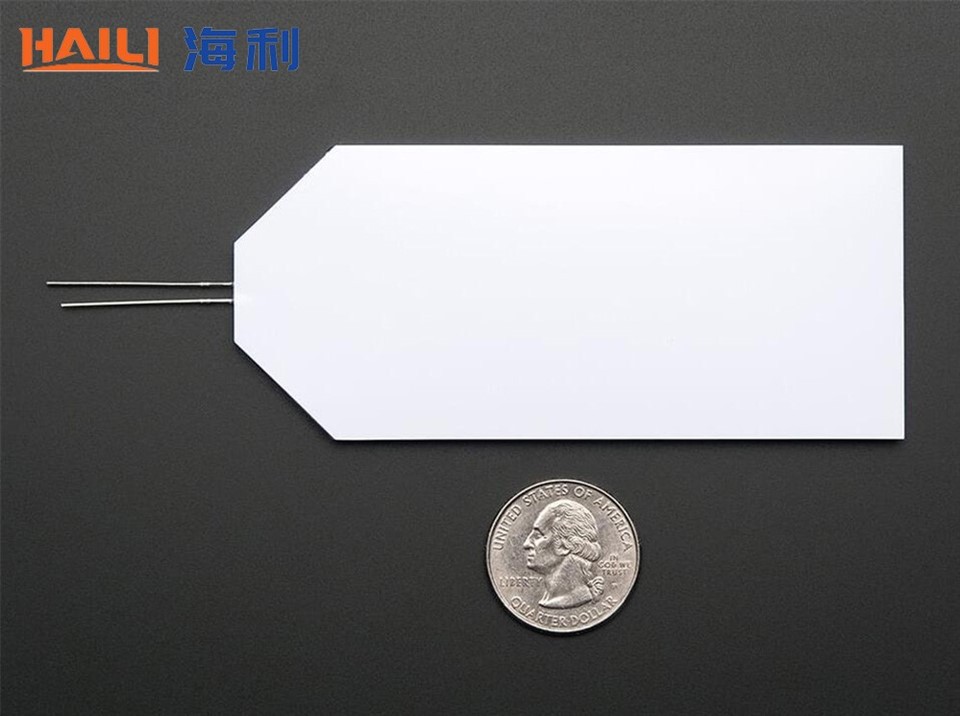
Another key element is the workbench. You should use an anti - static workbench mat. These mats are designed to prevent the build - up of static charges on the surface where you're handling the LCD backlights. They're usually connected to a grounding point, which ensures that any static charges are quickly and safely removed.
It's also a good idea to use anti - static shelving. This keeps your LCD backlights stored in a static - free environment. When the backlights are sitting on regular shelving, they can easily pick up static charges from the surrounding air or from contact with other objects. Anti - static shelving helps prevent this.
Personal Grounding and Protective Gear
We, as workers, can be major carriers of static electricity. That's why it's essential to use personal grounding equipment. Wrist straps are a common and effective way to keep yourself grounded. When you wear a wrist strap that's connected to a grounding point, any static charges on your body are continuously drained away.
In addition to wrist straps, you should also wear anti - static clothing. This includes lab coats, smocks, and even shoes. Anti - static clothing is made from special materials that prevent the build - up of static charges on your body. It's like an extra layer of protection for the LCD backlights you're handling.
Handling and Packaging Procedures
How you handle and package LCD backlights is also crucial in preventing static damage. When you're moving the backlights around, make sure to use anti - static tweezers or other handling tools. Regular metal tweezers can easily transfer static charges to the backlight, so it's best to use ones specifically designed to be static - free.
When it comes to packaging, use anti - static bags. These bags are made of materials that shield the backlight from static electricity. They have a special coating that prevents static charges from building up on the outside and getting inside the bag. Place the LCD backlight carefully inside the bag and seal it properly.
If you're shipping the LCD backlights, consider using static - dissipative foam or other cushioning materials. This not only protects the backlight from physical damage during transit but also helps prevent static build - up.
ESD Protection During Assembly and Testing
During the assembly and testing processes, it's vital to have proper ESD protection in place. All the equipment used in these processes should be grounded. For example, soldering irons, test probes, and other tools should be connected to a grounding point to prevent static charges from being transferred to the backlight.
Before starting any assembly or testing work, make sure to discharge any static charges from your body and the equipment. You can do this by touching a grounded metal object. This simple step can save you a lot of trouble down the line.
Training and Awareness
Finally, training your employees is essential. Everyone who works with LCD backlights should be educated about the risks of static damage and how to prevent it. Regular training sessions can help keep everyone up - to - date on the latest ESD prevention techniques.
Encourage your team to be aware of static electricity at all times. Remind them to follow the ESD prevention procedures, such as wearing the proper protective gear and using the right handling tools. A little bit of awareness can go a long way in preventing static damage.
The Importance of High - Quality LCD Backlights
As a supplier, I always emphasize the importance of high - quality LCD backlights. A well - made backlight is generally more resistant to static damage. At our company, we use advanced manufacturing techniques and high - quality materials to produce LCD backlights that can withstand the rigors of normal use, including potential static exposure.
If you're in the market for LCD backlights, you might be interested in our LED Backlight with Fluorescent Colors. These backlights offer unique lighting effects and are also designed with ESD protection in mind. And of course, our wide range of LCD Backlight products are built to the highest standards to minimize the risk of static damage.
Conclusion
Preventing static damage to LCD backlights is a multi - faceted process. It involves creating a static - safe work environment, using personal grounding and protective gear, following proper handling and packaging procedures, ensuring ESD protection during assembly and testing, and providing training and awareness to your employees.
If you're looking for reliable LCD backlights or have any questions about static damage prevention, don't hesitate to reach out. We're here to help you get the best products and ensure they last a long time. Whether you're a small business or a large corporation, we can work with you to meet your LCD backlight needs. So, let's start a conversation and see how we can help you with your next project!
References
- Electrostatic Discharge Association (ESDA) standards and guidelines.
- Manufacturer's documentation on LCD backlight components and ESD protection.
- Industry research on the impact of static electricity on electronic components.


