

What are the measures to protect HTN LCD display in harsh electromagnetic environments?
Leave a message

Hey there! I'm a supplier of HTN LCD displays, and I've been getting a lot of questions lately about how to protect these displays in harsh electromagnetic environments. So, I thought I'd share some of my knowledge and experience on the topic.
First off, let's talk about what HTN LCD displays are. HTN stands for High-Twist Nematic, and these displays are known for their high contrast ratios and wide viewing angles. They're commonly used in a variety of applications, including industrial control panels, medical devices, and automotive dashboards.
Now, when it comes to harsh electromagnetic environments, there are a few things that can cause problems for HTN LCD displays. Electromagnetic interference (EMI) can come from a variety of sources, such as power lines, motors, and radio frequency (RF) transmitters. This interference can cause the display to flicker, distort, or even stop working altogether.
So, what can you do to protect your HTN LCD displays from EMI? Here are some measures that I recommend:
1. Use Shielding
One of the most effective ways to protect HTN LCD displays from EMI is to use shielding. Shielding involves placing a conductive material, such as copper or aluminum, around the display to block electromagnetic waves. This can be done using a shielded enclosure or a shielded cable.
When choosing a shielded enclosure, make sure it's made of a high-quality material and has a good seal. The enclosure should also be grounded to prevent static buildup. Similarly, when using a shielded cable, make sure it's properly grounded and has a low impedance.
2. Filter the Power Supply
Another way to protect HTN LCD displays from EMI is to filter the power supply. EMI can enter the display through the power supply, so using a power filter can help to block this interference.
There are a variety of power filters available on the market, including line filters, ferrite beads, and capacitors. When choosing a power filter, make sure it's rated for the voltage and current of your display. You should also consider the frequency range of the filter and make sure it's suitable for your application.
3. Use EMI-Resistant Components
In addition to shielding and filtering, you can also use EMI-resistant components in your HTN LCD displays. These components are designed to reduce the amount of EMI that they generate or are susceptible to.

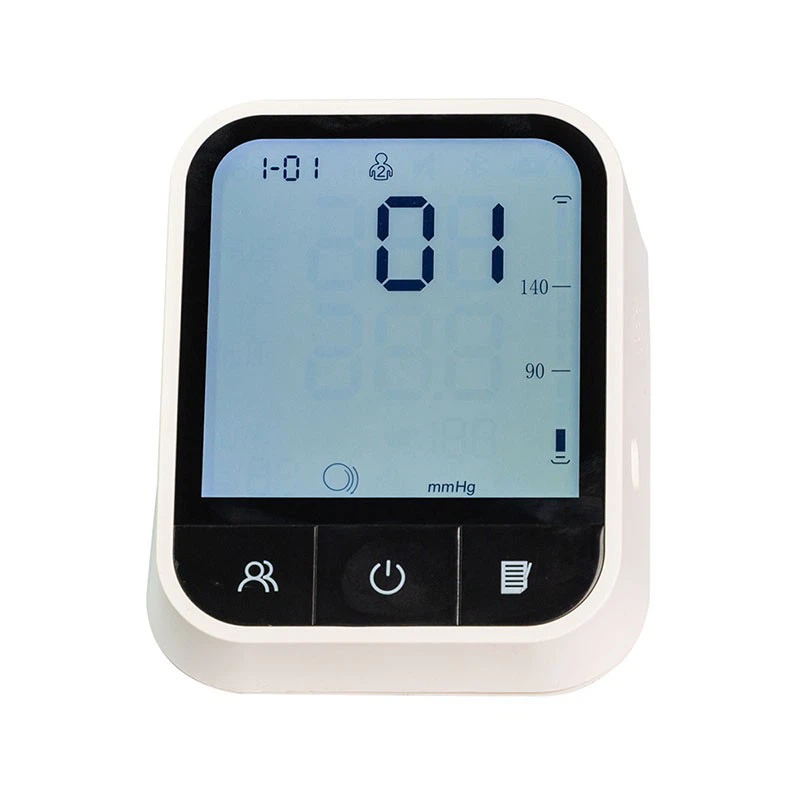
For example, you can use low-EMI microcontrollers, resistors, and capacitors in your display. You can also use shielded connectors and cables to reduce the amount of EMI that enters the display through the connections.
4. Keep the Display Away from EMI Sources
Finally, one of the simplest ways to protect HTN LCD displays from EMI is to keep them away from EMI sources. This means avoiding placing the display near power lines, motors, or RF transmitters.
If you can't avoid placing the display near an EMI source, you can use shielding or filtering to reduce the amount of interference that reaches the display. You can also use a Faraday cage to block the EMI from reaching the display.
So, there you have it! These are some of the measures that you can take to protect HTN LCD displays in harsh electromagnetic environments. By using shielding, filtering, EMI-resistant components, and keeping the display away from EMI sources, you can ensure that your displays operate reliably and without interference.
If you're in the market for HTN LCD displays, I'd love to talk to you about our products. We offer a wide range of Positive Transmissive HTN LCD Display that are designed to meet the needs of a variety of applications. Our displays are high-quality, reliable, and competitively priced.
So, if you're interested in learning more about our products or have any questions about protecting HTN LCD displays in harsh electromagnetic environments, please don't hesitate to contact me. I'd be happy to help you find the right solution for your needs.
References
- Electromagnetic Compatibility (EMC) for Electronic Systems Handbook.
- IEEE Standards for Electromagnetic Compatibility.
- National Electrical Code (NEC) for Electrical Installations.


