

What is the color gamut of HTN LCD display?
Leave a message

Hey there! As a supplier of HTN LCD displays, I often get asked about the color gamut of these screens. Let's dive right into it and uncover what the color gamut of HTN LCD displays is all about.
First off, what's a color gamut? In simple terms, it's the range of colors that a display can reproduce. Think of it as a color palette for your screen. The wider the color gamut, the more vivid and true - to - life the colors on your display will look.

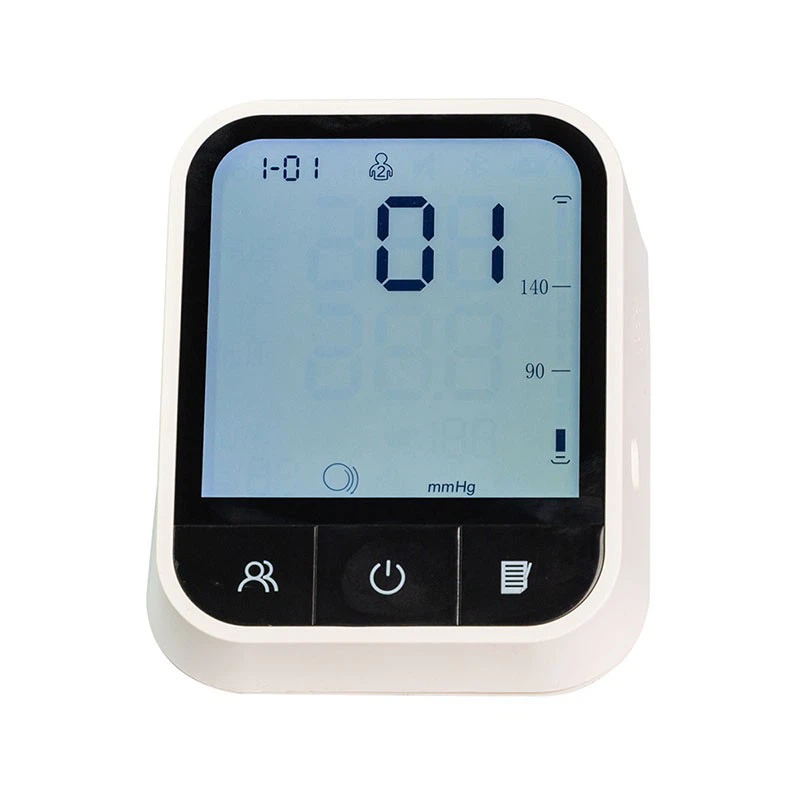
Now, HTN (High - Twist Nematic) LCD displays, they have their own unique color gamut characteristics. Unlike some high - end displays that can reproduce a vast array of colors, HTN LCDs are typically monochrome or have a very limited color reproduction. In most cases, the color gamut of an HTN LCD display revolves around black and white, with some variation in the degree of gray. This might seem a bit lame compared to the riot of colors on modern smartphones or high - end monitors, but there's a good reason for it.
The design of HTN LCDs is centered around practicality and efficiency. These displays are often used in applications where full - color isn't necessary. For example, in industrial control panels, where operators just need to read text and basic numerical information, having a full - color display would be overkill and might even be distracting. The focus here is on clear, easy - to - read information, and that's where the simple black - and - white or grayscale color gamut of HTN LCDs shines.
Let's talk a bit more about the technical side. The color gamut of an HTN LCD is mainly determined by its liquid crystal properties and the way the display is constructed. The liquid crystals in an HTN display twist between two polarizers. When an electric field is applied, the orientation of the liquid crystals changes, which in turn affects the amount of light passing through the polarizers. This results in the contrast between the dark and light areas of the display, creating the black - and - white or grayscale image.
One of the advantages of the limited color gamut in HTN LCDs is their power efficiency. Since they don't have to deal with reproducing a wide range of colors, they consume less power compared to full - color displays. This makes them an ideal choice for battery - powered devices, such as portable medical equipment or handheld meters.
Another factor is cost. Developing a display with a wide color gamut requires more advanced technology and materials, which drives up the cost. HTN LCDs, with their simple color gamut, are more cost - effective to produce. This cost advantage makes them accessible for a wide range of applications, from simple consumer products to more complex industrial systems.
Now, for those who are wondering if there's any way to get a bit more color out of an HTN LCD. Well, there are some variations. For example, you can get a so - called "positive transmissive" HTN LCD display. This type of display offers a slightly enhanced viewing experience. You can check out more about Positive Transmissive HTN LCD Display on our website. It still operates within the realm of the basic HTN color gamut but can provide better visibility in certain lighting conditions.
When it comes to choosing an HTN LCD display, understanding its color gamut is crucial. You need to match the display's capabilities with your application's requirements. If you're just looking for a simple display to show text and basic graphics, the standard black - and - white or grayscale color gamut of an HTN LCD will do the job just fine. But if you need a bit more visibility or a slightly different look, you might want to consider the positive transmissive option.
In conclusion, the color gamut of HTN LCD displays is relatively limited, mainly focusing on black, white, and grayscale. This limitation, however, comes with significant advantages in terms of power efficiency and cost. Whether you're in the market for an industrial control panel, a portable device display, or something else, HTN LCDs can offer a reliable and cost - effective solution.
If you're interested in purchasing HTN LCD displays for your project, we'd love to have a chat with you. We can help you choose the right display based on your specific needs, including the ideal color gamut for your application. Just reach out to us and let's start the conversation about how we can meet your display requirements.
References:
- General knowledge of LCD technology from industry publications and research.
- In - house technical documentation on HTN LCD displays.


