

What is the contrast ratio of an LED backlight?
Leave a message

As a seasoned LED backlight supplier, I've had numerous discussions with clients about various aspects of LED backlights. One of the most frequently asked questions is about the contrast ratio of an LED backlight. In this blog, I'll delve into what contrast ratio means, why it's important, and how it relates to our LED backlight products.
Understanding Contrast Ratio
Contrast ratio is a fundamental concept in display technology. It refers to the ratio between the luminance of the brightest white and the darkest black that a display can produce. In simpler terms, it measures the difference in brightness between the lightest and darkest parts of an image. For example, a contrast ratio of 1000:1 means that the brightest white is 1000 times brighter than the darkest black.
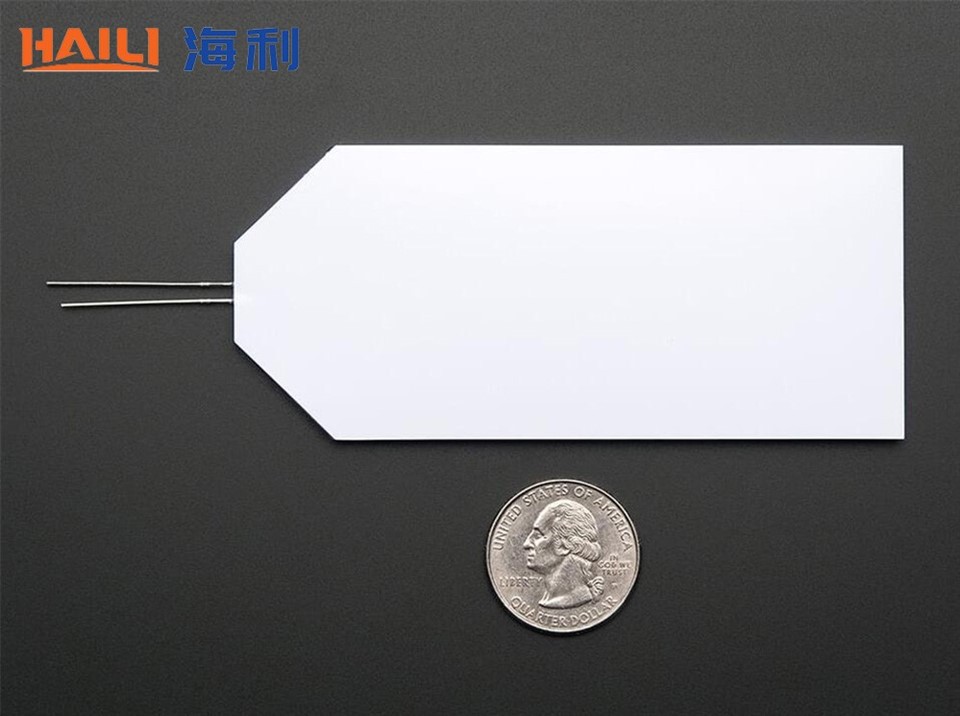

A high contrast ratio is crucial for creating a visually appealing and immersive viewing experience. When the contrast ratio is high, the colors appear more vibrant, the details are more distinct, and the overall image quality is enhanced. On the other hand, a low contrast ratio can result in washed-out colors, poor image clarity, and a less engaging visual experience.
Importance of Contrast Ratio in LED Backlights
LED backlights are widely used in various display applications, including televisions, monitors, laptops, and mobile devices. The contrast ratio of an LED backlight plays a significant role in determining the quality of the displayed image.
In a display with a high-contrast LED backlight, blacks appear deeper and more rich, while whites are bright and vivid. This allows for a greater range of colors and tones to be accurately reproduced, resulting in a more realistic and lifelike image. For example, in a movie scene with a dark night sky and bright stars, a high-contrast LED backlight can make the stars stand out more clearly against the black background, creating a more immersive viewing experience.
Moreover, a high contrast ratio is essential for displaying content with a wide dynamic range, such as high dynamic range (HDR) videos. HDR content contains a greater range of brightness levels than standard content, and a high-contrast LED backlight is necessary to accurately reproduce these levels and showcase the full potential of HDR.
Factors Affecting the Contrast Ratio of LED Backlights
Several factors can affect the contrast ratio of an LED backlight. One of the most significant factors is the type of LED technology used. There are two main types of LED backlights: edge-lit and direct-lit.
Edge-lit LED backlights place the LEDs around the edges of the display panel. Light is then directed towards the center of the panel using a light guide plate. While edge-lit LED backlights are thinner and more energy-efficient, they generally have a lower contrast ratio compared to direct-lit LED backlights. This is because it can be more challenging to control the light distribution evenly across the panel, resulting in some light leakage and less precise control of black levels.
Direct-lit LED backlights, on the other hand, place the LEDs directly behind the display panel. This allows for more precise control of the light distribution and can result in a higher contrast ratio. Direct-lit LED backlights can also support local dimming, a technology that allows individual zones of the backlight to be dimmed or turned off completely. Local dimming can significantly improve the contrast ratio by reducing light leakage in dark areas of the image, resulting in deeper blacks and a more dramatic contrast.
Another factor that can affect the contrast ratio is the quality of the LED drivers and the control circuitry. High-quality LED drivers can provide more precise control over the brightness of the LEDs, resulting in a more consistent and accurate contrast ratio. Additionally, advanced control circuitry can optimize the backlight performance based on the content being displayed, further enhancing the contrast ratio.
Our LED Backlight Products and Contrast Ratio
At our company, we understand the importance of contrast ratio in delivering high-quality display solutions. That's why we offer a wide range of LED backlights with excellent contrast ratios to meet the diverse needs of our customers.
Our LED Backlight with Fluorescent Colors is designed to provide vibrant and vivid colors, along with a high contrast ratio. These backlights use advanced LED technology and precise light control to ensure accurate color reproduction and deep blacks. Whether you're using them for a signage display, a digital photo frame, or a consumer electronics device, our LED backlights with fluorescent colors can enhance the visual impact of your content.
In addition, our LCD Backlight products are engineered to deliver exceptional contrast ratios. We offer both edge-lit and direct-lit LCD backlights, each with its own unique advantages. Our direct-lit LCD backlights support local dimming technology, allowing for even greater control over the contrast ratio and the ability to display content with a wide dynamic range.
How to Choose the Right LED Backlight Based on Contrast Ratio
When choosing an LED backlight, it's important to consider your specific requirements and the intended application. If you're looking for a display with a high contrast ratio for applications such as watching movies, gaming, or displaying high-quality images, a direct-lit LED backlight with local dimming capabilities may be the best choice. These backlights can provide the deepest blacks and the most vibrant colors, resulting in a truly immersive viewing experience.
On the other hand, if you're more concerned about thinness, energy efficiency, and cost, an edge-lit LED backlight may be a suitable option. While edge-lit LED backlights generally have a lower contrast ratio compared to direct-lit backlights, they can still provide a decent level of image quality for many applications, such as general office use or basic multimedia viewing.
It's also important to look for LED backlights that are designed and manufactured to high standards. Quality components, precise light control, and advanced technology can all contribute to a higher contrast ratio and better overall performance. At our company, we use only the best materials and the latest manufacturing processes to ensure that our LED backlights meet the highest quality standards.
Conclusion
In conclusion, the contrast ratio of an LED backlight is a critical factor in determining the quality of the displayed image. A high contrast ratio can enhance the colors, details, and overall visual experience, making it essential for applications such as movies, gaming, and high-quality content display.
As an LED backlight supplier, we are committed to providing our customers with LED backlights that offer excellent contrast ratios and other superior performance characteristics. Whether you need a backlight for a small handheld device or a large commercial display, we have the expertise and the product range to meet your needs.
If you're interested in learning more about our LED backlight products or have any questions about contrast ratio or other technical aspects, please don't hesitate to contact us. We'd be happy to discuss your requirements and help you choose the right LED backlight solution for your application.
References
- Smith, J. (2020). Display Technology: Principles and Applications. New York: Wiley.
- Johnson, A. (2019). LED Lighting Handbook. London: Elsevier.


