

What is the display cable electromagnetic interference of a 2.8 Inch TFT LCD Display?
Leave a message

Hey there! As a supplier of 2.8 Inch TFT LCD Displays, I often get asked about all sorts of technical stuff. One question that pops up quite a bit is about the display cable electromagnetic interference of a 2.8 Inch TFT LCD Display. So, let's dive right in and break it down.
First off, what exactly is electromagnetic interference (EMI)? Well, EMI is basically the disturbance that affects an electrical circuit because of either electromagnetic induction or electromagnetic radiation emitted from an external source. In the context of our 2.8 Inch TFT LCD Displays, the display cable can be a source and a victim of EMI.
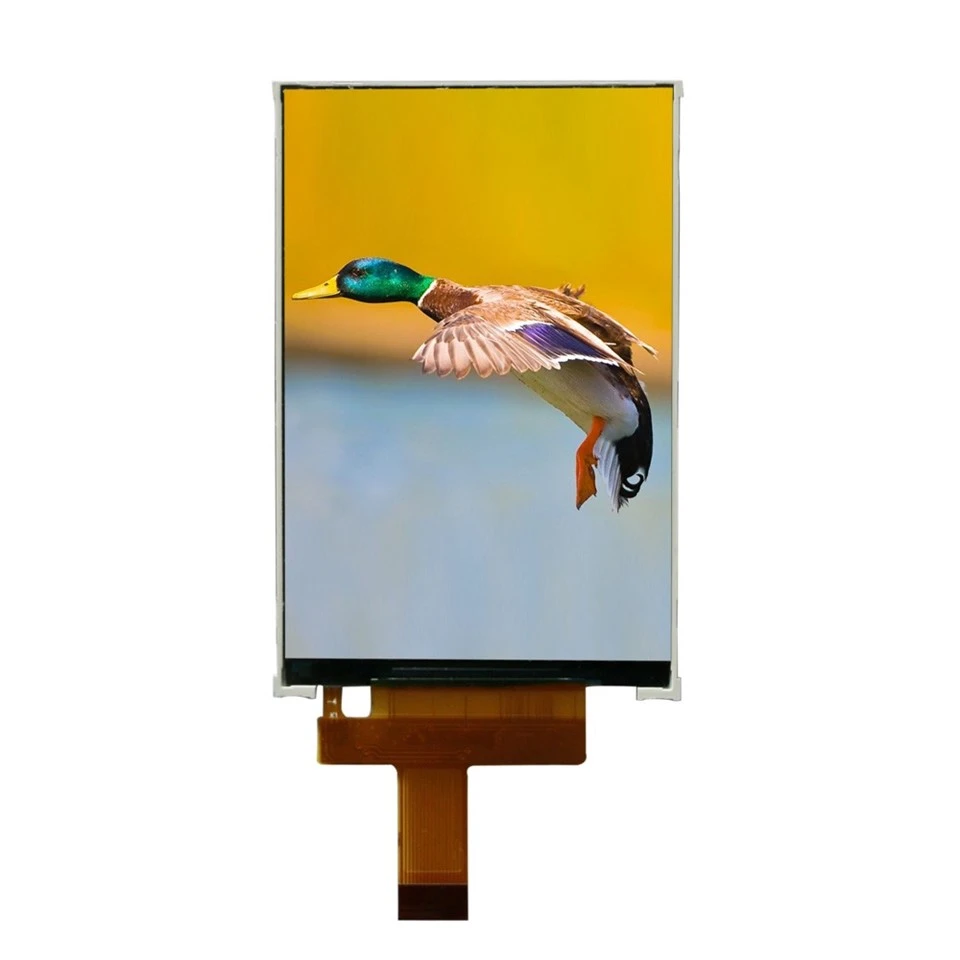
The display cable in a 2.8 Inch TFT LCD Display is responsible for carrying important signals between the display panel and the control board. These signals include data about the image to be displayed, like color, brightness, and contrast. But here's the thing, these cables are like antennas. They can pick up electromagnetic signals from the environment around them, and they can also radiate their own electromagnetic fields.
There are two main types of EMI: conducted and radiated. Conducted EMI travels along the cables, like the display cable in our TFT LCD. It can come from things like power supplies or other electronic components in the device. Radiated EMI, on the other hand, is emitted into the air as electromagnetic waves. This can be caused by things like radio frequency sources or even the switching of electrical currents in the display cable itself.
Now, why does EMI matter for our 2.8 Inch TFT LCD Displays? Well, EMI can cause all sorts of problems. It can lead to display artifacts, like lines or dots on the screen. It can also cause color distortion, making the colors on the display look off. In some cases, severe EMI can even cause the display to malfunction completely.
So, how do we deal with EMI in our 2.8 Inch TFT LCD Displays? One of the most common ways is through shielding. We use special cables that are shielded with a conductive material, like aluminum foil or braided copper. This shielding helps to block the electromagnetic fields from entering or leaving the cable. It acts like a barrier, protecting the signals inside the cable from external interference and preventing the cable from radiating its own EMI.

Another way to reduce EMI is through proper grounding. Grounding provides a path for the unwanted electrical currents to flow safely away from the display cable and the display itself. By connecting the cable and the display to a good ground, we can minimize the effects of EMI.
We also pay close attention to the layout of the cables and components in our displays. By keeping the display cable away from other sources of EMI, like power cables or high - frequency circuits, we can reduce the chances of interference. We use techniques like routing the cables in separate channels or using ferrite beads to suppress high - frequency noise.
If you're in the market for a high - quality display, you might also be interested in our other offerings. We also supply 2.4 Inch TFT LCD Display, 2 Inch TFT LCD Display, and 3.5 Inch TFT LCD Display. Each of these displays is designed with the same attention to detail and EMI reduction techniques as our 2.8 Inch TFT LCD Displays.
We understand that EMI can be a real concern for our customers, especially those in industries where a clear and reliable display is crucial. That's why we're always working on improving our products to minimize EMI and ensure the best possible performance.
If you're thinking about purchasing our 2.8 Inch TFT LCD Displays or any of our other products, we'd love to have a chat with you. Whether you have questions about EMI, display specifications, or anything else, our team of experts is here to help. We can provide you with detailed information, samples, and even customized solutions to meet your specific needs.
So, don't hesitate to reach out and start a conversation with us. Let's work together to find the perfect display solution for your project.
References:
- Smith, J. (2018). Electromagnetic Interference in Electronic Displays. Journal of Display Technology.
- Johnson, M. (2020). Shielding Techniques for Reducing EMI in LCD Cables. Electronics Engineering Magazine.


