

What is the display quality of HTN LCD display?
Leave a message

Hey there! As a supplier of HTN LCD displays, I'm super excited to dig into the topic of what the display quality of HTN LCD displays actually is. So, let's jump right in.
First off, what the heck is an HTN LCD display? Well, HTN stands for High-Twist Nematic. It's a type of liquid crystal display technology that's been around for a while and has some pretty cool features.
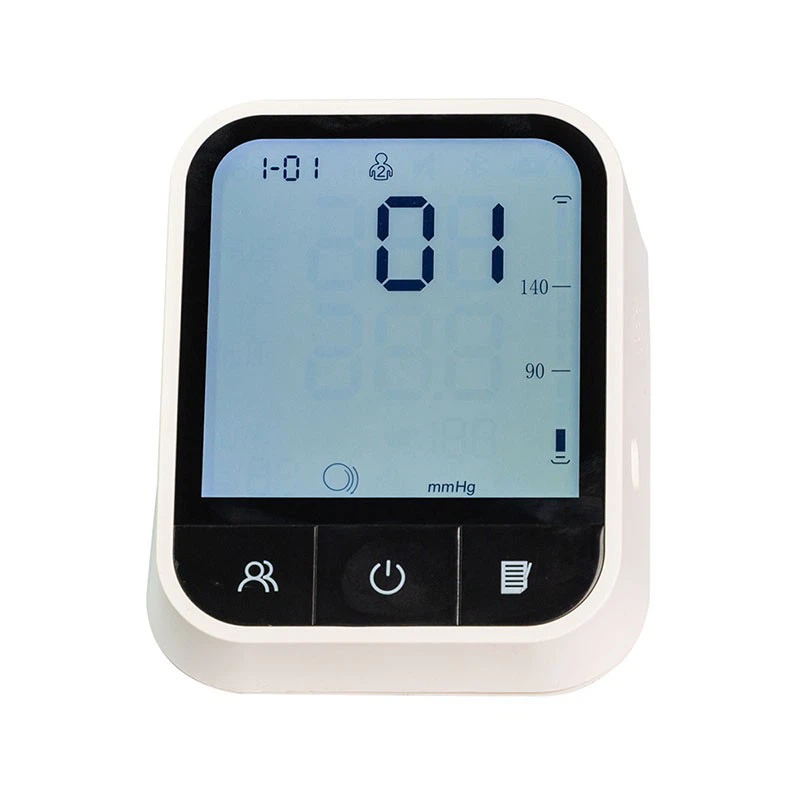

One of the key aspects of display quality is contrast. The contrast ratio of an HTN LCD display is pretty decent. It's the difference between the brightest white and the darkest black that the display can show. A higher contrast ratio means you get more vivid images. With HTN LCDs, the contrast ratio allows for clear differentiation between elements on the screen. For example, if you're using it for a simple digital clock or a small instrument panel, you can clearly see the numbers against the background. The HTN technology twists the liquid crystals in a way that helps in achieving this good contrast.
Another important factor is viewing angle. HTN LCD displays usually have a relatively wide viewing angle compared to some other basic LCD technologies. This means you can look at the screen from different positions and still see the content clearly. Whether you're standing directly in front of it or looking at it from a bit of an angle, the display remains visible. This is really useful in applications where the display might be viewed from various positions, like in industrial control panels or some portable devices.
Color is also something to talk about. Now, HTN LCDs are typically monochrome, which means they mainly display in black and white or a single color tone. But that doesn't mean they're boring! The single-color display can be very clear and sharp. For instance, in a positive transmissive HTN LCD display, the text or graphics appear as a bright color (usually white) against a darker background. You can check out more about Positive Transmissive HTN LCD Display for a deeper understanding of this type of display.
The response time of HTN LCD displays is another aspect of quality. Response time refers to how quickly the display can change from one state to another. In HTN LCDs, the response time is generally good enough for most static or slow-changing applications. For example, if you're using it to show a static graph or a menu that doesn't change rapidly, the display can keep up just fine. However, if you're looking for it to be used in a high - speed action game or something that requires very fast image changes, it might not be the best choice.
Resolution is crucial too. The resolution of an HTN LCD display determines how detailed the images or text on the screen can be. Higher resolution means more pixels, which results in sharper and clearer visuals. Many HTN LCDs offer a decent resolution that's suitable for their intended applications. For small displays used in things like calculators or handheld data loggers, the resolution is often sufficient to display the necessary information clearly.
The brightness of HTN LCD displays matters as well. In transmissive displays, the backlight plays a big role in determining the brightness. A well - designed backlight can make the display look bright and easy to read, even in relatively bright environments. On the other hand, reflective HTN LCDs rely on external light sources, so their visibility depends on how much light is available.
Now, let's talk about durability and reliability. HTN LCD displays are known for being quite robust. They can withstand a certain amount of mechanical stress, temperature changes, and humidity. This makes them suitable for use in industrial and outdoor environments. For example, in a factory setting where there might be vibrations and temperature fluctuations, an HTN LCD display can still function properly.
In terms of power consumption, HTN LCD displays are relatively energy - efficient. Since they don't require a lot of power to operate, they're a great choice for battery - powered devices. This means longer battery life for the devices they're used in, which is a huge plus, especially for portable electronics.
So, in summary, the display quality of HTN LCD displays is characterized by a good contrast ratio, relatively wide viewing angles, clear monochrome display, decent response time for appropriate applications, suitable resolution, variable brightness options, high durability, and low power consumption.
If you're in the market for HTN LCD displays for your project, whether it's for industrial use, consumer electronics, or any other application, I'd be more than happy to chat with you about your specific needs. We can discuss the best options in terms of size, resolution, and other features to make sure you get the perfect display for your requirements. Just reach out, and let's start the conversation about getting the right HTN LCD display for you.
References
- General knowledge about LCD display technologies from industry experience.
- Technical specifications of HTN LCD displays from various manufacturers' data sheets.


