

What is the price range of a segment LCD display?
Leave a message

Hey there! As a supplier of segment LCD displays, I often get asked about the price range of these nifty little devices. Well, let me break it down for you.
First off, what exactly is a segment LCD display? It's a type of liquid - crystal display that uses segments to show numbers, letters, or simple symbols. You've probably seen them in digital watches, calculators, and various electronic devices. They're super common because they're simple, reliable, and cost - effective.
The price of a segment LCD display can vary widely depending on several factors. One of the most important factors is the size. Smaller segment LCD displays, like those you'd find in a keychain flashlight or a small thermometer, are generally cheaper. These tiny displays can cost anywhere from a few cents to a couple of dollars. The smaller the display area, the less material is used, and the simpler the manufacturing process.
On the other hand, larger segment LCD displays, such as those used in industrial control panels or vehicle dashboards, are more expensive. For instance, a large - sized segment LCD display for industrial use can range from $10 to $100 or even more. The larger the display, the more complex the production process, and the higher the cost of materials.
Another factor that affects the price is the quality and resolution. Higher - quality segment LCD displays with better contrast, clearer visibility, and higher resolution will cost more. If you need a display that can be easily read in bright sunlight or in harsh industrial environments, you'll have to pay a premium. These high - quality displays are often used in applications where accuracy and readability are crucial, like in medical equipment or aerospace instruments.
The type of application also plays a big role in determining the price. Let's take a look at some specific applications:
Segment LCD Display for Vehicles
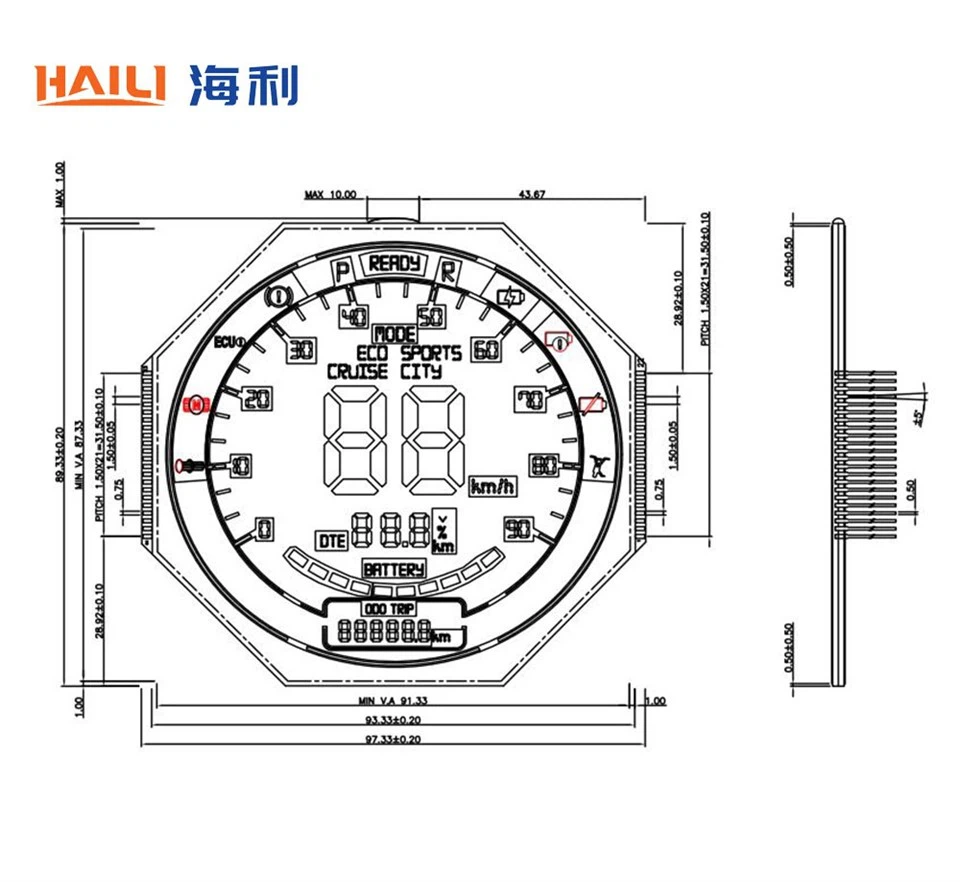
Vehicle dashboards require segment LCD displays that can withstand vibrations, temperature changes, and other harsh conditions. These displays need to be highly reliable and have good visibility. The price of Segment LCD Display for Vehicles can start from around $20 and go up to several hundred dollars, depending on the size, features, and quality. For example, a basic speedometer display might be on the lower end of the price range, while a more advanced display that shows multiple functions like fuel level, engine temperature, and gear position will be more expensive.
Segment LCD Display for Industrial Control
Industrial control systems demand segment LCD displays that are durable and can operate in a wide range of temperatures and humidity levels. These displays are often used to monitor and control machinery, so they need to be accurate and easy to read. The price of Segment LCD Display for Industrial Control typically ranges from $15 to $150. Displays with additional features like touch - screen functionality or the ability to interface with other industrial equipment will cost more.
Segment LCD Display for Meter
Meters, such as electricity meters, water meters, and gas meters, use segment LCD displays to show consumption data. These displays need to be energy - efficient and have a long lifespan. The price of Segment LCD Display for Meter is usually in the range of $5 to $30. Simple single - digit or multi - digit displays for basic meters are on the lower end, while more advanced displays with backlighting or communication capabilities are more expensive.

The quantity of the order also impacts the price. If you're ordering a large quantity of segment LCD displays, you can usually get a better price per unit. Manufacturers often offer volume discounts to encourage bulk purchases. So, if you're a business looking to buy a large number of displays for your products, it's worth negotiating with the supplier to get a better deal.
In addition, the cost of customization can add to the overall price. If you need a segment LCD display with a specific shape, size, or pattern, the manufacturer will have to make some modifications to their standard production process. Customizing the display can increase the price by 20% to 50% or more, depending on the complexity of the customization.
Now, you might be wondering how to choose the right segment LCD display for your needs while staying within your budget. Here are some tips:
- Define your requirements clearly: Know exactly what size, quality, and features you need for your application. This will help you narrow down your options and avoid over - spending on unnecessary features.
- Compare prices from different suppliers: Don't just go with the first supplier you find. Shop around and get quotes from multiple suppliers to find the best deal. Make sure to compare not only the prices but also the quality and customer service.
- Consider the long - term costs: A cheaper display might seem like a good deal at first, but if it has a short lifespan or requires frequent maintenance, it could end up costing you more in the long run. Look for a display that offers a good balance between price and quality.
If you're interested in purchasing segment LCD displays for your project, I'd love to have a chat with you. Whether you're in the automotive, industrial, or metering industry, we can work together to find the right display solution for your needs at a competitive price. Feel free to reach out to discuss your requirements and get a personalized quote.
In conclusion, the price range of a segment LCD display can vary from a few cents for small, basic displays to several hundred dollars for large, high - quality, and customized displays. By understanding the factors that affect the price and following the tips I've shared, you can make an informed decision and get the best value for your money.
References
- LCD Technology Handbook, various industry publications
- Interviews with industry experts and manufacturers


