

What is the sound output options for a TFT LCD display?
Leave a message

When it comes to TFT LCD displays, most people focus on their visual aspects such as resolution, color accuracy, and brightness. However, the sound output options for these displays are also an important consideration, especially in applications where audio is a crucial part of the user experience. As a TFT LCD display supplier, I'd like to share some insights into the various sound output options available for TFT LCD displays.
Built - in Speakers
One of the most straightforward sound output options is to have built - in speakers on the TFT LCD display itself. This is a convenient solution for many consumer electronics devices, such as small tablets, digital photo frames, and some portable media players.
Built - in speakers are integrated directly into the display housing. They are designed to be compact and lightweight, which is ideal for devices where space is limited. For example, our 1.77 Inch TFT LCD Display can be equipped with small, low - power speakers that are suitable for playing simple audio cues or low - volume background music.
The advantage of built - in speakers is that they provide a self - contained audio solution. Users don't need to connect any external audio devices, which simplifies the setup process. However, the sound quality of built - in speakers is often limited due to their small size. They may lack bass response and have a relatively narrow frequency range, which can result in a less immersive audio experience, especially for high - quality audio content.
External Speakers
To achieve better sound quality, many users opt to connect external speakers to their TFT LCD displays. External speakers come in a wide variety of sizes, shapes, and performance levels.
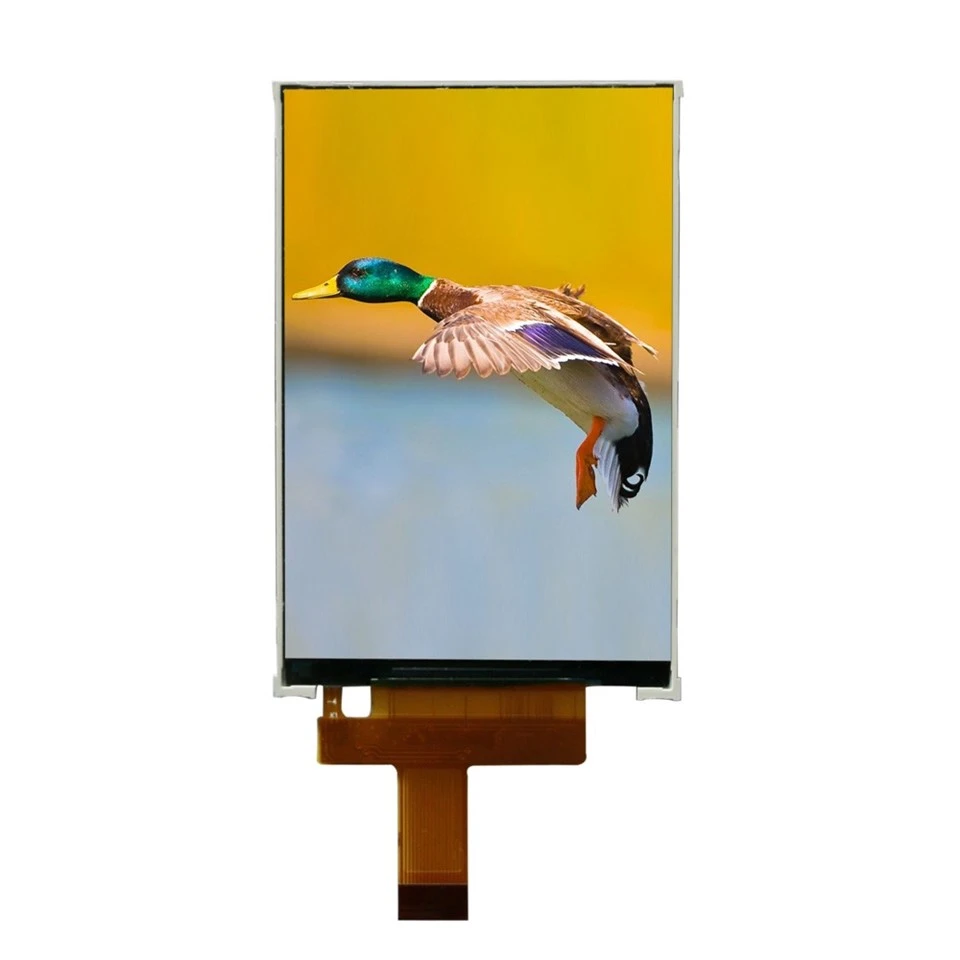
For larger TFT LCD displays, such as our 3.5 Inch TFT LCD Display, which are often used in more demanding applications like multimedia kiosks or home entertainment systems, external speakers can significantly enhance the audio experience. These speakers can be powered by their own amplifier, allowing for higher volume levels and better sound reproduction.
There are different types of external speakers available. Bookshelf speakers are a popular choice for home use. They offer a good balance between size and sound quality and can be placed on a bookshelf or a stand near the display. Floor - standing speakers, on the other hand, are larger and more powerful, providing a more immersive audio experience but also taking up more space.
Connecting external speakers to a TFT LCD display is usually done through standard audio interfaces such as 3.5mm audio jacks, RCA connectors, or Bluetooth. Bluetooth speakers are particularly convenient as they allow for wireless connection, eliminating the need for cables and providing more flexibility in terms of speaker placement.
Headphones
Another sound output option is to use headphones. Headphones are a great choice when users want a private audio experience or when they need to focus on the audio without disturbing others.
Our TFT LCD displays, including the 2 Inch TFT LCD Display, often come with a headphone jack, which makes it easy to connect headphones. Headphones can provide excellent sound quality, especially high - end models that are designed for audiophiles. They can reproduce a wide range of frequencies and offer a more detailed and immersive audio experience compared to built - in speakers.

There are different types of headphones available, including over - ear, on - ear, and in - ear headphones. Over - ear headphones are known for their comfort and excellent sound isolation, making them suitable for long - term use. On - ear headphones are more compact and still provide good sound quality, while in - ear headphones are the most portable option, perfect for use on the go.
Audio Amplifiers
In some cases, especially when using high - impedance speakers or when a more powerful audio output is required, an audio amplifier may be necessary. An audio amplifier takes the low - level audio signal from the TFT LCD display and amplifies it to a level that can drive the speakers effectively.
There are different types of audio amplifiers, including integrated amplifiers, which combine the amplifier and pre - amplifier functions in one unit, and power amplifiers, which are dedicated to amplifying the audio signal. Amplifiers can improve the sound quality by providing more power to the speakers, resulting in louder and clearer audio.
When choosing an audio amplifier for a TFT LCD display, it's important to consider the power requirements of the speakers and the compatibility with the display's audio output. Some amplifiers also offer additional features such as tone controls, which allow users to adjust the bass, treble, and mid - range frequencies to suit their preferences.
Soundbars
Soundbars have become increasingly popular in recent years as a convenient and space - saving audio solution for TFT LCD displays. A soundbar is a long, narrow speaker system that is typically placed in front of or below the display.
Soundbars are designed to provide a more immersive audio experience compared to built - in speakers. They often contain multiple speakers and may use advanced audio technologies such as virtual surround sound to create a wider soundstage. Some soundbars also come with a built - in subwoofer, which can enhance the bass response.
Our TFT LCD displays can be easily paired with a soundbar. Most soundbars offer multiple connection options, including HDMI, optical, and Bluetooth, making it easy to connect to the display. Soundbars are a great choice for users who want to improve the audio quality of their display without investing in a full - fledged home theater system.
Considerations for Choosing Sound Output Options
When choosing the sound output option for a TFT LCD display, several factors need to be considered.
First, the intended use of the display is crucial. If the display is for a simple informational kiosk where only basic audio cues are required, built - in speakers may be sufficient. However, if the display is for a home entertainment system or a multimedia application, external speakers or a soundbar may be a better choice.
Second, the available space is an important consideration. Built - in speakers and headphones are the most space - saving options, while floor - standing speakers and large soundbars require more room.
Third, the budget also plays a role. Built - in speakers are usually the most cost - effective option, while high - end external speakers, amplifiers, and soundbars can be quite expensive.
Finally, the audio quality requirements should be taken into account. If high - quality audio is a priority, then investing in better speakers, headphones, or an amplifier is necessary.
Conclusion
In conclusion, there are several sound output options available for TFT LCD displays, each with its own advantages and disadvantages. As a TFT LCD display supplier, we understand the importance of providing our customers with the flexibility to choose the audio solution that best suits their needs.
Whether you are looking for a simple, self - contained audio solution with built - in speakers or a high - end audio setup with external speakers, amplifiers, and soundbars, we can help you find the right combination for your TFT LCD display. If you are interested in our TFT LCD displays and would like to discuss the sound output options further or place an order, please feel free to contact us. We are always ready to assist you with your procurement needs and help you create the best audio - visual experience for your applications.
References
- O'Shaughnessy, John. Audio Systems Design Handbook. McGraw - Hill, 2010.
- Toole, Floyd E. Sound Reproduction: The Acoustics and Psychoacoustics of Loudspeakers and Rooms. Focal Press, 2012.


