

What is the starting time of an LED backlight?
Leave a message

As a seasoned LED backlight supplier, I've often been asked about the starting time of an LED backlight. This seemingly simple question delves deep into the world of lighting technology, manufacturing processes, and market evolution. In this blog post, I'll explore the origins of LED backlights, their development over time, and how understanding this history can help you make informed decisions when sourcing LED backlights for your products.
The Birth of LED Backlights
The story of LED backlights begins with the invention of the light - emitting diode (LED) itself. The first practical visible - light LED was developed in 1962 by Nick Holonyak Jr., while working at General Electric. These early LEDs emitted red light and had relatively low efficiency, but they marked a significant milestone in lighting technology. At that time, LEDs were mainly used as indicator lights in electronic devices due to their small size, low power consumption, and long lifespan.
It wasn't until the 1990s that the concept of using LEDs as backlights started to gain traction. The demand for flat - panel displays, such as liquid - crystal displays (LCDs), was growing rapidly. Traditional backlighting sources for LCDs, like cold cathode fluorescent lamps (CCFLs), had several limitations. CCFLs were bulky, consumed more power, and had a limited lifespan. LEDs, on the other hand, offered a more compact, energy - efficient, and longer - lasting alternative.
The first real - world applications of LED backlights were in small - sized displays, such as those found in mobile phones and digital cameras. These early LED backlights were relatively simple, consisting of a few red, green, and blue (RGB) LEDs arranged to provide uniform illumination. The use of RGB LEDs allowed for better color control and the ability to create a wider color gamut compared to CCFL - backlit displays.
Advancements in LED Backlight Technology
As technology advanced, so did LED backlights. In the early 2000s, white LEDs became more widely available. These white LEDs were created by coating a blue LED with a yellow phosphor, which converted some of the blue light into yellow light, resulting in a white - light output. White LEDs simplified the backlighting design as they eliminated the need for complex RGB mixing circuits, making them more cost - effective and easier to implement in larger displays.
The introduction of white LEDs paved the way for LED backlights to be used in larger LCD displays, such as computer monitors and televisions. Manufacturers started to develop edge - lit and direct - lit LED backlight architectures. Edge - lit LED backlights placed the LEDs along the edges of the display panel, using light guides to distribute the light evenly across the screen. This design allowed for thinner display profiles, making it popular for laptops and ultra - thin televisions.
Direct - lit LED backlights, on the other hand, placed the LEDs directly behind the display panel. This architecture provided better local dimming capabilities, resulting in higher contrast ratios and more accurate black levels. Direct - lit LED backlights are commonly used in high - end televisions and large - format displays where image quality is of utmost importance.
The Impact of Market Trends on LED Backlight Development
Market trends have played a significant role in shaping the development of LED backlights. The growing demand for energy - efficient products has been a major driving force. LED backlights consume significantly less power than CCFL backlights, which not only reduces energy costs for consumers but also aligns with global environmental initiatives.
Another trend is the increasing demand for high - quality displays with better color accuracy and contrast. As consumers become more discerning about the visual experience, manufacturers are constantly striving to improve the performance of LED backlights. This has led to the development of technologies such as quantum dot - enhanced LED backlights, which can provide an even wider color gamut and more vibrant colors.
The rise of the mobile device market has also had a profound impact on LED backlight technology. Mobile devices require backlights that are not only energy - efficient but also thin and lightweight. This has spurred innovation in mini - LED and micro - LED backlight technologies. Mini - LEDs are smaller than traditional LEDs, allowing for more precise local dimming and better control over the backlight. Micro - LEDs, which are even smaller, offer the potential for self - emissive displays with extremely high brightness, contrast, and energy efficiency.
Choosing the Right LED Backlight for Your Application
As an LED backlight supplier, I understand that choosing the right backlight for your application can be a daunting task. There are several factors to consider, such as the size of the display, the desired color accuracy, the power consumption requirements, and the budget.
If you're looking for a cost - effective solution for a small - to medium - sized display, edge - lit white LED backlights may be the way to go. They offer a good balance between performance and cost, and are widely available. For larger displays or applications where image quality is critical, direct - lit LED backlights or those with advanced technologies like quantum dots may be more suitable.
When it comes to color accuracy, RGB LED backlights or those with a wide color gamut can provide a more vibrant and true - to - life visual experience. However, they may also be more expensive and require more complex control circuits.
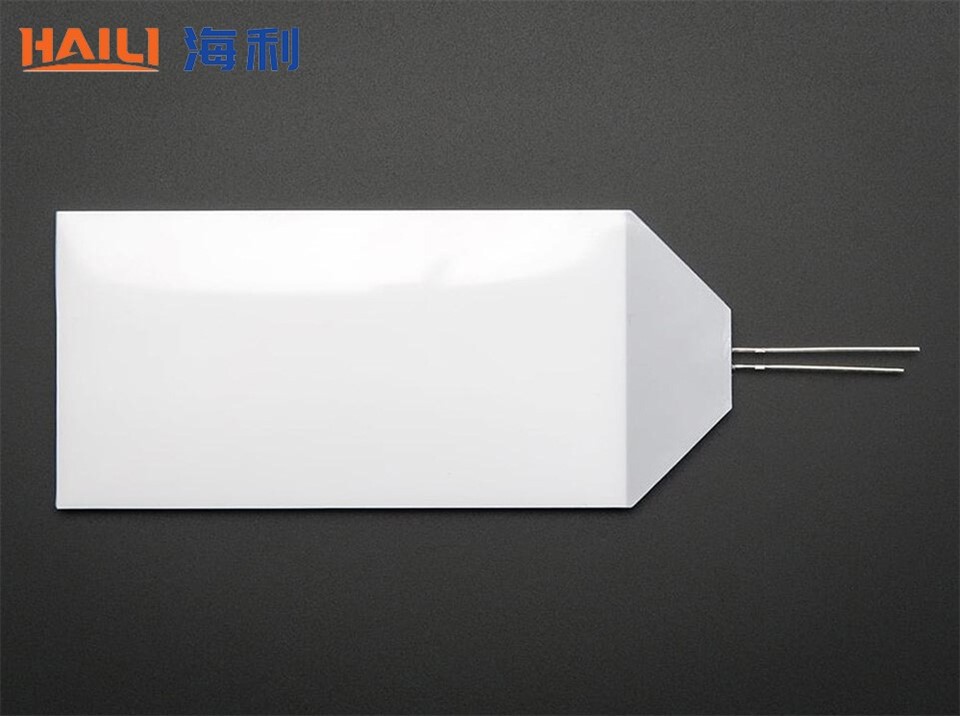
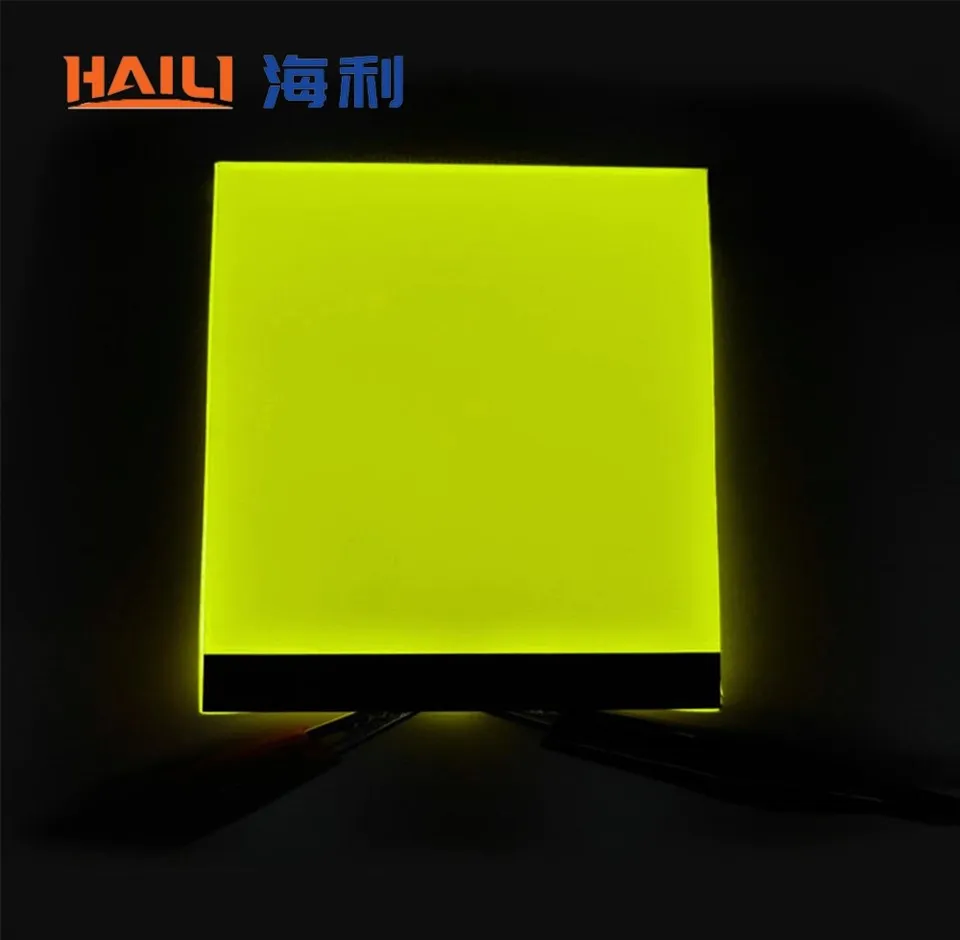
If you're interested in learning more about specific types of LED backlights, you can visit our LCD Backlight and LED Backlight with Fluorescent Colors pages on our website. These pages provide detailed information about our product offerings and their features.
Contact Us for Your LED Backlight Needs
At our company, we have years of experience in manufacturing high - quality LED backlights. Whether you're a small - scale manufacturer or a large - scale OEM, we can provide customized solutions to meet your specific requirements. Our team of experts can work with you from the design stage to ensure that you get the best possible backlight for your product.
If you're interested in discussing your LED backlight needs, please don't hesitate to contact us. We're here to answer any questions you may have and to help you make the right choice for your application. Let's work together to bring your display products to life with the latest LED backlight technology.
References
- Holonyak, N., & Bevacqua, S. F. (1962). Coherent (visible) light emission from Ga(As1 - xPx) junctions. Applied Physics Letters, 1(3), 82 - 83.
- Schubert, E. F., & Kim, J. K. (2005). Solid - state light sources getting smart. Science, 308(5726), 1274 - 1278.
- Birkmire, R. W., & Sites, J. R. (2008). Photovoltaic materials, history, status and outlook. Solar Energy Materials and Solar Cells, 92(3), 169 - 176.


