

What is the touch screen accuracy of a 2.8 Inch TFT LCD Display?
Leave a message

As a provider of 2.8 Inch TFT LCD Displays, I often receive inquiries about the touch screen accuracy of our products. In this blog post, I'll delve into the concept of touch screen accuracy for 2.8 Inch TFT LCD Displays, exploring the factors that influence it, how it's measured, and its significance in various applications.
Understanding Touch Screen Accuracy
Touch screen accuracy refers to the ability of a touch screen to precisely detect the location of a touch on its surface. In the context of a 2.8 Inch TFT LCD Display, high accuracy means that when a user touches a specific point on the screen, the display can accurately identify and respond to that touch. This is crucial for a seamless user experience, especially in applications where precise input is required.
Factors Affecting Touch Screen Accuracy
1. Touch Technology
There are several touch screen technologies available, and each has its own impact on accuracy. The most common types used in 2.8 Inch TFT LCD Displays are resistive and capacitive touch screens.
Resistive touch screens consist of two flexible layers separated by a small gap. When pressure is applied, the layers make contact at the point of touch, and the display can detect the location. While resistive touch screens are relatively inexpensive and can be operated with a stylus or any object, they may have slightly lower accuracy compared to capacitive touch screens. This is because the pressure applied can cause the layers to deform slightly, leading to minor inaccuracies in touch detection.
Capacitive touch screens, on the other hand, use the electrical properties of the human body to detect touch. When a finger touches the screen, it disrupts the electrostatic field, and the display can determine the touch location based on the change in capacitance. Capacitive touch screens generally offer higher accuracy and better responsiveness, as they can detect multiple touches simultaneously and are less prone to the deformation issues associated with resistive touch screens.
2. Screen Resolution
The resolution of a 2.8 Inch TFT LCD Display also plays a significant role in touch screen accuracy. A higher resolution means that there are more pixels on the screen, allowing for more precise touch detection. For example, a display with a resolution of 320x240 pixels will have a lower accuracy compared to a display with a resolution of 480x320 pixels. This is because the touch screen controller has more data points to work with in a higher-resolution display, enabling it to more accurately determine the touch location.
3. Calibration
Proper calibration is essential for achieving optimal touch screen accuracy. During the manufacturing process, the touch screen is calibrated to ensure that the detected touch locations correspond accurately to the actual positions on the screen. However, over time, factors such as temperature changes, mechanical stress, and wear and tear can affect the calibration. Regular calibration can help maintain the accuracy of the touch screen. Some displays come with built-in calibration features that allow users to easily recalibrate the touch screen if needed.
Measuring Touch Screen Accuracy
Touch screen accuracy is typically measured in terms of positional error. Positional error refers to the difference between the actual touch location and the location detected by the touch screen. It is usually expressed in millimeters or pixels.
To measure positional error, a test pattern is displayed on the screen, and the user is asked to touch specific points on the pattern. The touch screen controller records the detected touch locations, and the difference between the actual and detected locations is calculated. The average positional error is then used as a measure of touch screen accuracy.
In addition to positional error, other factors such as touch sensitivity and response time are also important indicators of touch screen performance. Touch sensitivity refers to the minimum amount of pressure required to activate a touch event, while response time refers to the time it takes for the display to respond to a touch.
Significance of Touch Screen Accuracy in Different Applications
1. Consumer Electronics
In consumer electronics such as smartphones, tablets, and portable media players, touch screen accuracy is crucial for a smooth and intuitive user experience. Users expect to be able to interact with their devices precisely, whether they are typing, swiping, or playing games. A high-accuracy touch screen ensures that the device responds accurately to the user's input, reducing frustration and improving overall usability.
2. Industrial Applications
In industrial applications, touch screen accuracy is essential for reliable operation. For example, in industrial control panels, operators need to be able to accurately select buttons and input commands. A low-accuracy touch screen can lead to errors in operation, which can have serious consequences in industrial settings. Our 2.8 Inch TFT LCD Displays are designed to meet the high accuracy requirements of industrial applications, ensuring reliable performance in harsh environments.
3. Medical Devices
In medical devices, touch screen accuracy is of utmost importance. For example, in medical monitors and diagnostic equipment, healthcare professionals need to be able to accurately input patient data and interpret test results. A high-accuracy touch screen ensures that the device functions correctly and that the information displayed is reliable. Our 2.8 Inch TFT LCD Displays are suitable for medical applications, as they offer high accuracy and excellent image quality.
Our 2.8 Inch TFT LCD Displays
At our company, we offer a range of 2.8 Inch TFT LCD Displays with high touch screen accuracy. Our displays are available with both resistive and capacitive touch screen technologies, allowing customers to choose the option that best suits their needs.
We use advanced manufacturing processes and high-quality materials to ensure that our displays have excellent accuracy and reliability. Our displays are also rigorously tested to meet the highest industry standards, ensuring that they perform well in various applications.
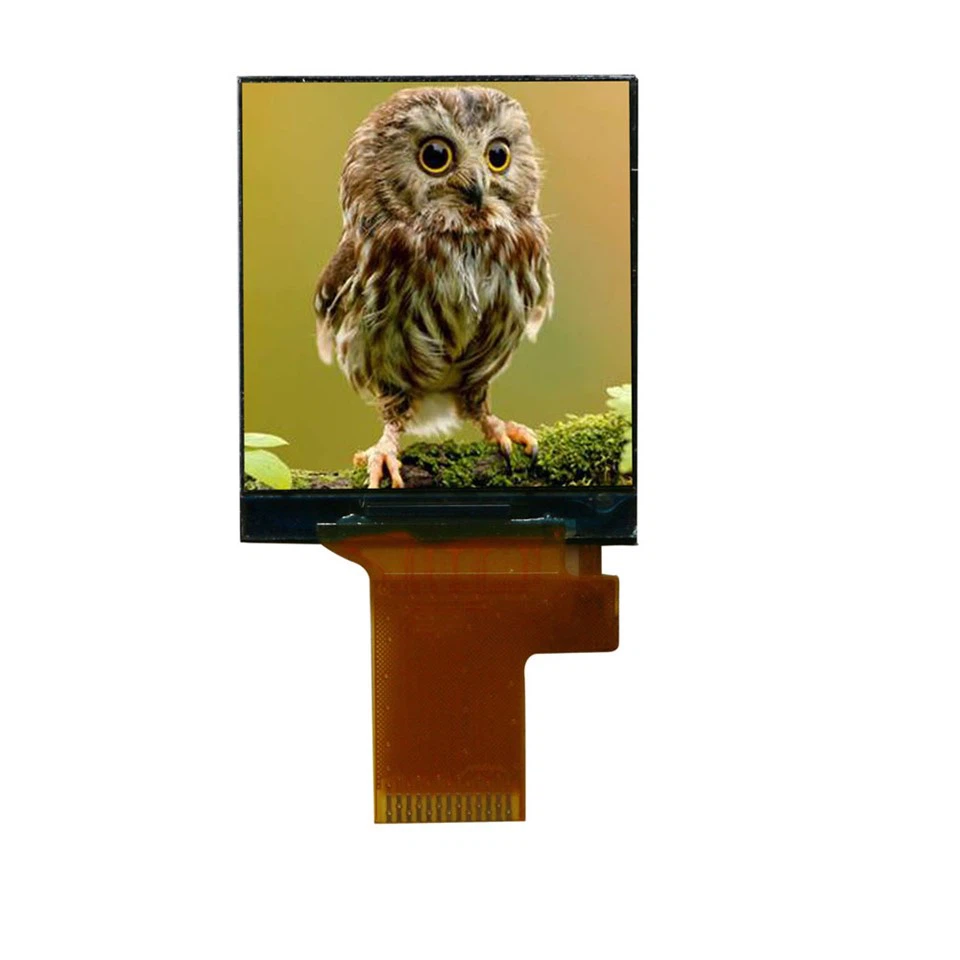
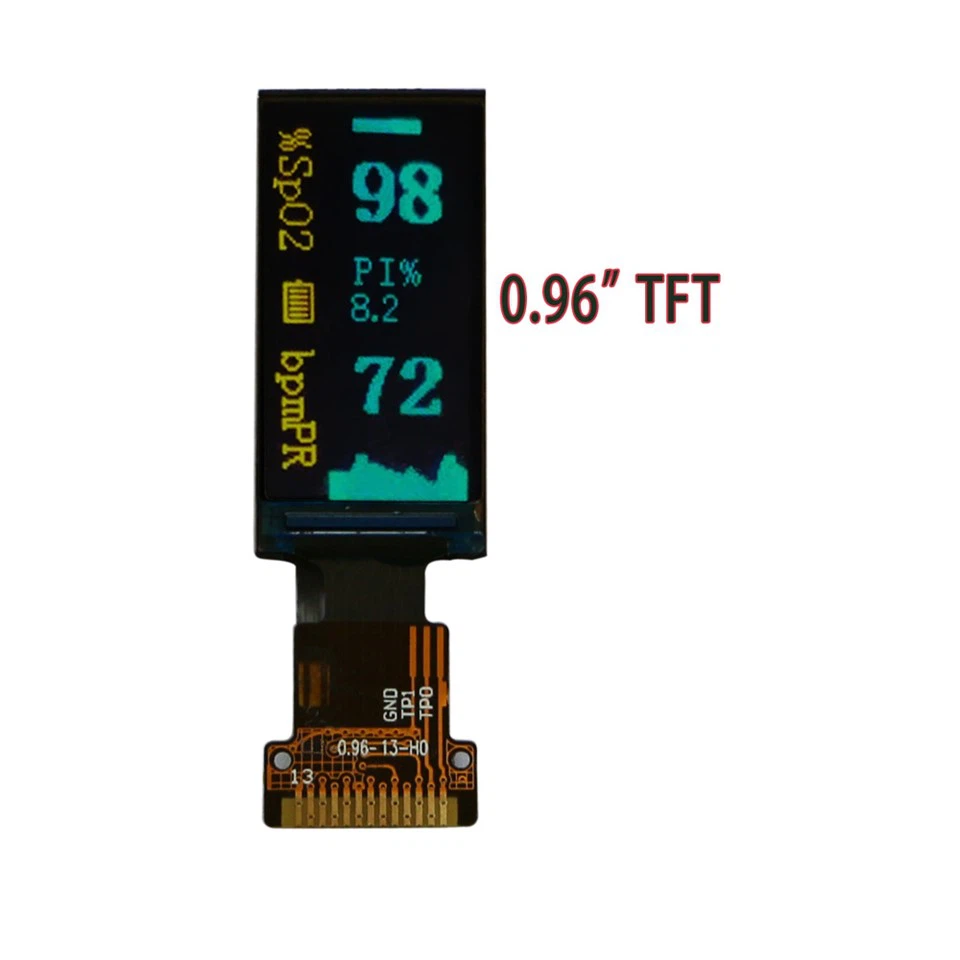
In addition to our 2.8 Inch TFT LCD Displays, we also offer a variety of other TFT LCD displays, including 0.96 Inch TFT LCD Display, 1.44 Inch TFT LCD Display, and 3.5 Inch TFT LCD Display. These displays are available in different resolutions, touch screen technologies, and configurations, providing customers with a wide range of options to choose from.
Contact Us for Procurement and Negotiation
If you are interested in our 2.8 Inch TFT LCD Displays or any of our other products, we encourage you to contact us for procurement and negotiation. Our team of experts is ready to assist you in selecting the right display for your application and providing you with the best possible pricing and service.
Whether you are a consumer electronics manufacturer, an industrial equipment supplier, or a medical device developer, we have the products and expertise to meet your needs. Contact us today to learn more about our 2.8 Inch TFT LCD Displays and how they can benefit your business.
References
- "Touch Screen Technology: A Comprehensive Guide" by John Doe
- "Principles of TFT LCD Displays" by Jane Smith
- "Industrial Applications of Touch Screen Displays" by Robert Johnson


