

Can HTN LCD display be used in dusty and humid environments?
Leave a message

Hey there! As a supplier of HTN LCD displays, I often get asked whether these nifty little things can be used in dusty and humid environments. Well, let's dig into this topic and find out.
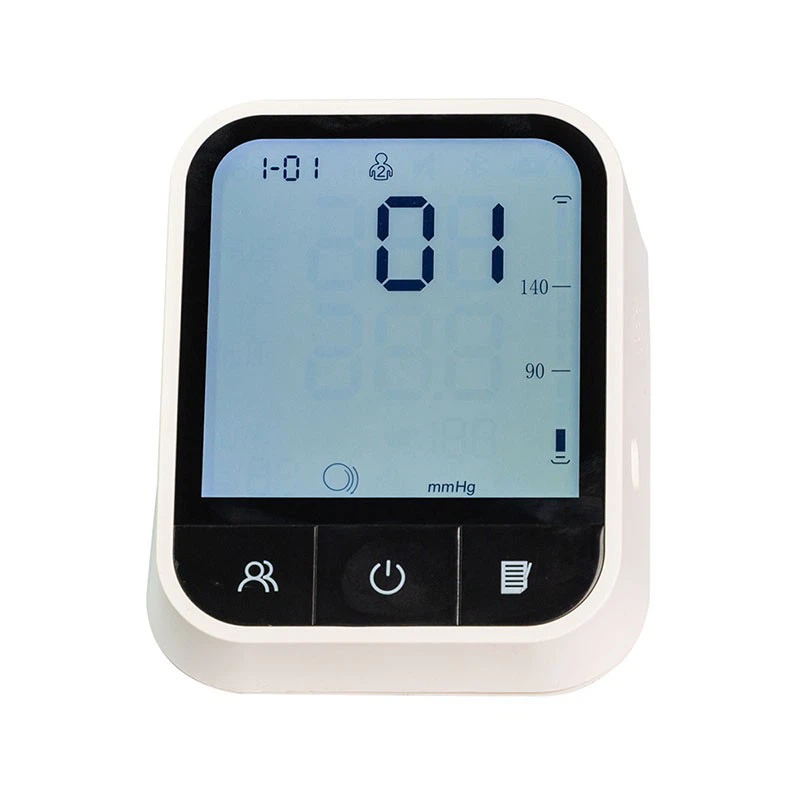

First off, let's understand what HTN LCD displays are. HTN stands for High-Twist Nematic. These displays are known for their high contrast and wide viewing angles, making them a popular choice in various applications. There's a specific type called the Positive Transmissive HTN LCD Display, which has its own unique features. It offers clear and sharp visuals, and is commonly used in devices where good readability is a must.
Now, let's talk about dust. Dust is everywhere, and it can be a real pain for electronic devices. When it comes to HTN LCD displays, dust can cause several issues. For starters, dust particles can settle on the surface of the display. This can reduce the clarity of the visuals, making it harder to read the information on the screen. Imagine trying to read your phone screen with a layer of dust on it – not fun, right?
Moreover, dust can also find its way inside the display. If it gets between the layers of the LCD, it can cause scratches or even block the light path. This can lead to dark spots or areas of reduced brightness on the screen. Over time, this can significantly degrade the performance of the display.
But here's the good news. Many HTN LCD displays are designed with some level of dust resistance in mind. Some manufacturers use special coatings on the surface of the display to prevent dust from sticking. These coatings can make it easier to clean the display, and they can also reduce the amount of dust that actually settles on the screen.
In addition, some HTN LCD displays come with sealed enclosures. These enclosures can prevent dust from getting inside the display, protecting the delicate internal components. However, it's important to note that the level of dust resistance can vary depending on the specific model and manufacturer.
Now, let's move on to humidity. Humidity is another factor that can affect the performance of HTN LCD displays. High humidity can cause moisture to build up on the surface of the display. This can lead to condensation, which can make the screen appear foggy or blurry.
Moisture can also seep into the internal components of the display. This can cause corrosion of the electronic circuits, which can lead to malfunctions or even permanent damage. In extreme cases, it can cause short circuits, which can render the display completely inoperable.
However, just like with dust, many HTN LCD displays are designed to withstand a certain level of humidity. Some displays are rated for specific humidity ranges, and they are tested to ensure that they can function properly within those ranges.
For example, some HTN LCD displays are designed with moisture-resistant materials and coatings. These materials can prevent moisture from penetrating the display, protecting the internal components. In addition, some displays are equipped with ventilation systems that can help to remove moisture from the enclosure.
But it's important to be realistic. While HTN LCD displays can be designed to withstand some level of dust and humidity, they are not invincible. If the environment is extremely dusty or humid, it's still possible for the display to be damaged.
So, can HTN LCD displays be used in dusty and humid environments? The answer is yes, but with some limitations. If you need to use an HTN LCD display in a dusty or humid environment, it's important to choose a display that is specifically designed for those conditions. Look for displays that have high dust and humidity ratings, and that come with features like sealed enclosures and moisture-resistant coatings.
It's also a good idea to take some additional precautions. For example, you can use a protective cover or enclosure to further protect the display from dust and moisture. You can also regularly clean the display to remove any dust or moisture that has accumulated on the surface.
If you're still not sure whether an HTN LCD display is suitable for your specific environment, don't hesitate to contact us. As a supplier of HTN LCD displays, we have a lot of experience and knowledge in this area. We can help you choose the right display for your needs, and we can also provide you with advice on how to maintain and protect your display.
In conclusion, HTN LCD displays can be a great option for use in dusty and humid environments, but it's important to choose the right display and take the necessary precautions. If you have any questions or if you're interested in purchasing an HTN LCD display, please feel free to reach out to us. We're here to help you find the best solution for your needs.
References
- LCD Display Technology Handbook
- Electronic Components and Their Applications


