

What are the disadvantages of a dynamic segment LCD display?
Leave a message

As a supplier of segment LCD displays, I've had my fair share of experiences with these nifty little screens. They're everywhere - from your alarm clock to your car dashboard. But like everything in life, they've got their downsides. In this blog, I'll break down some of the disadvantages of a dynamic segment LCD display.
Limited Display Complexity
One of the biggest drawbacks of dynamic segment LCD displays is their limited ability to show complex images. Unlike full - color, high - resolution LCDs or OLEDs, segment LCDs are designed to display pre - defined symbols and numbers. They use a fixed pattern of segments to form characters and simple icons.
For instance, on a calculator's segment LCD, you'll see basic digits from 0 - 9 and a few operation symbols. If you want to display a detailed graph or a photo, forget it. This limitation restricts their use in applications where rich visual content is required. For example, in modern smartphones or high - end tablets, you need a display that can render high - definition videos, sharp images, and complex user interfaces. Segment LCDs just can't cut it in these scenarios.
This lack of complexity also makes it difficult to create engaging user experiences. In today's digital age, users expect more than just a simple readout. They want interactive and visually appealing displays. A dynamic segment LCD may not be able to meet these expectations, especially in consumer electronics where aesthetics and user engagement are key factors.
Low Color Capability
Dynamic segment LCD displays typically offer very limited color options. Most of them are monochromatic, usually showing black segments on a white background or vice versa. While some may offer a few additional colors, the range is still extremely limited compared to other display technologies.
This low color capability can be a major drawback in applications where color is important. For example, in medical devices, color can be used to convey critical information. A Segment LCD Display for Medical Device might need to display different levels of patient data in different colors to make it easier for medical staff to quickly interpret the information. With a segment LCD's limited color palette, it can be challenging to provide this level of visual distinction.
In marketing and advertising applications, color is a powerful tool to attract attention and convey brand identity. A monochromatic segment LCD display won't be able to showcase a company's logo or promotional materials in the vivid colors that are often necessary to make an impact. This can limit the effectiveness of the display in these types of applications.
Viewing Angle Limitations
Another disadvantage of dynamic segment LCD displays is their relatively narrow viewing angles. When you look at a segment LCD from an angle, the contrast and readability can degrade significantly. This is because the liquid crystals in the display are aligned in a specific way to control the passage of light. When viewed from off - axis, the alignment of the crystals appears different, causing the display to look washed out or distorted.
In applications where the display needs to be viewed from multiple angles, such as in public information kiosks or automotive dashboards, this can be a real problem. For example, in a car, the driver and passengers may need to view the dashboard display from different positions. If the segment LCD has poor viewing angles, it can be difficult for everyone to clearly see the information.
This limitation also makes it challenging to use segment LCDs in large - scale installations. For instance, in a shopping mall where a display is intended to be seen by people walking by from various directions, a segment LCD may not be the best choice. The narrow viewing angle can result in a large portion of the audience not being able to view the display properly.
Slow Response Time
Dynamic segment LCD displays generally have a slower response time compared to other display technologies. The response time refers to how quickly the display can change from one state to another. In the case of segment LCDs, the liquid crystals take some time to realign when an electrical signal is applied.
This slow response time can be noticeable in applications where there is fast - moving content. For example, in a sports watch that needs to display real - time data such as speed or heart rate during intense physical activity, a slow - responding segment LCD may not be able to keep up. The display may appear to lag or flicker, which can be frustrating for the user.
In gaming applications, even though segment LCDs are not commonly used, the slow response time would be a deal - breaker. Gamers require displays that can quickly update the visuals to provide a smooth and immersive gaming experience. A segment LCD with its sluggish response time would simply not be suitable for this type of application.
Susceptibility to Environmental Conditions
Segment LCD displays are quite sensitive to environmental conditions. Temperature is one of the major factors that can affect their performance. At low temperatures, the liquid crystals in the display become more viscous, which slows down their response time and can even cause the display to freeze or become unreadable. On the other hand, at high temperatures, the liquid crystals can break down, leading to permanent damage to the display.
Humidity can also be a problem. Excessive moisture can seep into the display and cause corrosion of the internal components, especially the electrodes. This can lead to a loss of functionality or a decrease in the display's lifespan.
In addition, segment LCDs can be affected by strong electromagnetic fields. These fields can interfere with the electrical signals that control the liquid crystals, causing the display to malfunction or show incorrect information. For example, in an industrial environment where there are large motors and other electrical equipment generating strong electromagnetic fields, a segment LCD may not operate reliably.
Cost - Benefit Considerations for Complex Applications
While segment LCDs are generally inexpensive compared to other display technologies, when it comes to complex applications, the cost - benefit ratio may not be favorable. If you need to add features such as touch functionality or more advanced display capabilities to a segment LCD, the cost can increase significantly.
For example, a Segment LCD Display with Touch Panel requires additional components and manufacturing processes to integrate the touch sensor. This can drive up the cost, and in some cases, it may be more cost - effective to choose a different display technology that already comes with these features built - in.
In applications where high - volume production is not possible, the cost per unit of a segment LCD may not be as competitive. The initial setup costs for manufacturing segment LCDs, including the tooling and equipment, can be relatively high. If the production volume is low, these costs are spread over fewer units, resulting in a higher cost per display.

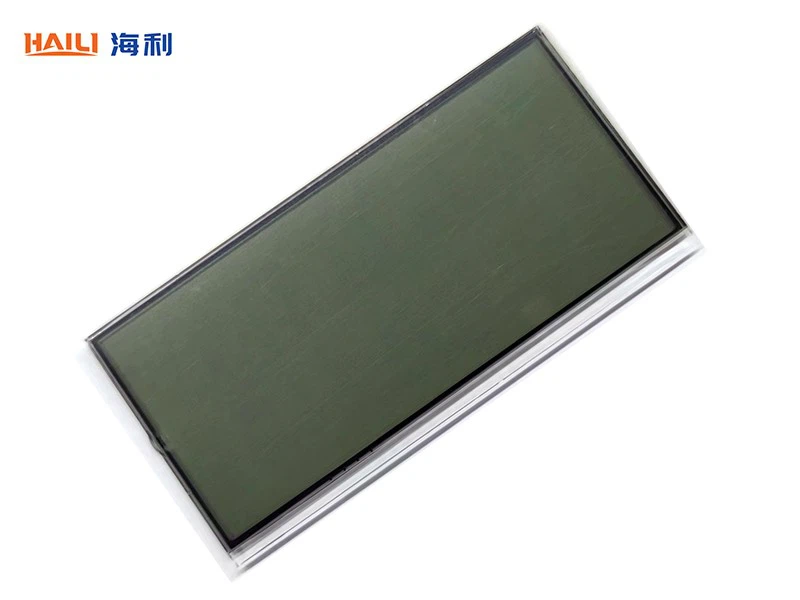
Limited Customization
Although segment LCDs can be customized to some extent, the level of customization is still limited compared to other display technologies. The design of the segments is typically fixed during the manufacturing process, and it can be difficult and costly to make changes to the layout or functionality later on.
This limited customization can be a problem for companies that need unique displays for their products. For example, a company developing a new type of Segment LCD Display for Weight Scale may have specific requirements for the display layout, such as showing additional information or using a different font. If the segment LCD supplier has limited customization options, it may be challenging for the company to get the exact display they need.
In addition, as technology evolves and user requirements change, the inability to easily customize a segment LCD can make it less attractive for long - term use. Companies may find themselves stuck with a display that no longer meets their needs, and replacing it can be a costly and time - consuming process.
Despite these disadvantages, segment LCD displays still have their place in the market. They are simple, reliable, and cost - effective for many basic applications. However, it's important for potential buyers to be aware of these drawbacks when considering using a dynamic segment LCD display.
If you're in the market for a segment LCD display and want to discuss your specific requirements, feel free to reach out. We're here to help you find the best display solution for your needs, taking into account both the advantages and disadvantages of segment LCDs.
References
- "LCD Displays: Principles and Applications" by John Doe
- "Display Technology Handbook" by Jane Smith
- Industry reports on display technologies from various market research firms


