

What are the types of backlights for HTN LCD display?
Leave a message

Hey there! As a supplier of HTN LCD displays, I'm super excited to chat with you about the different types of backlights for HTN LCD displays. Backlights play a crucial role in enhancing the visibility and performance of these displays, so let's dive right in!
1. Edge - Lit Backlights
Edge - lit backlights are one of the most common types used in HTN LCD displays. The way they work is pretty cool. Instead of having a bunch of light sources behind the entire display panel, the light sources are placed along the edges of the display. Usually, light - emitting diodes (LEDs) are used as the light source.
The light from these LEDs enters the display panel through a light - guiding plate. This plate is designed to spread the light evenly across the entire surface of the display. One of the biggest advantages of edge - lit backlights is their thin profile. Since the LEDs are on the edges, the overall thickness of the display can be reduced significantly. This makes them perfect for applications where space is limited, like in some handheld devices or slim - designed industrial control panels.
However, edge - lit backlights do have a drawback. Sometimes, the light might not be evenly distributed across the entire display, especially in larger screens. You might notice some areas being slightly brighter or dimmer than others. But with advancements in light - guiding plate technology, this issue is becoming less and less of a problem.
2. Direct - Lit Backlights
In contrast to edge - lit backlights, direct - lit backlights have an array of LEDs placed directly behind the LCD panel. This setup allows for more even illumination across the entire display. Each LED can be controlled independently, which means you can achieve better contrast ratios. You can dim or brighten specific areas of the display as needed, resulting in a more vivid and clear image.
Direct - lit backlights are great for applications where high - quality visuals are required. For example, in medical equipment displays, where accurate color representation and high contrast are essential for reading important data. They are also commonly used in larger HTN LCD displays, such as those in some industrial monitoring systems.
But direct - lit backlights also have their downsides. They tend to be thicker and consume more power compared to edge - lit backlights. This can be a concern for applications where energy efficiency and a slim design are top priorities.
3. RGB Backlights
RGB (Red, Green, Blue) backlights are a bit different from the previous two types. Instead of just providing white light, RGB backlights use a combination of red, green, and blue LEDs. By mixing these three primary colors in different proportions, you can create a wide range of colors.

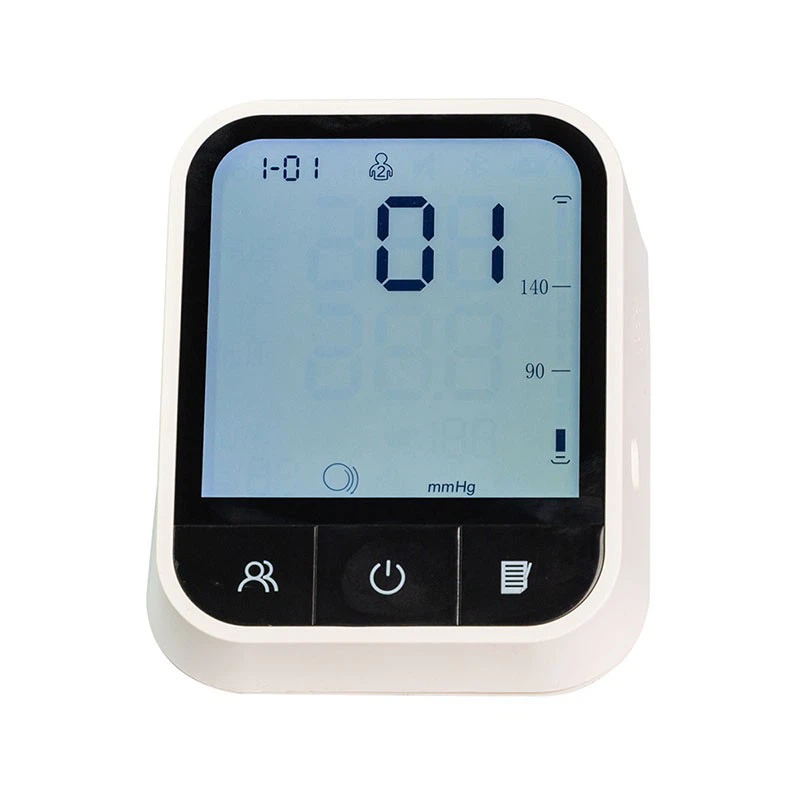
This type of backlight is ideal for applications where color display is necessary. For instance, in some advanced consumer electronics or in automotive dashboards where colored indicators and graphics are used. RGB backlights can make the display more visually appealing and can convey more information through color - coded signals.
However, RGB backlights are more complex and expensive to implement. They require more sophisticated control circuits to manage the mixing of the three colors accurately. And since they have more components, they may also have a slightly higher failure rate compared to single - color backlights.
4. White LED Backlights
White LED backlights are the most widely used type in HTN LCD displays. They are simple, cost - effective, and provide a good balance between brightness and power consumption. White LEDs can be either made by combining RGB LEDs to create white light or by using a blue LED with a phosphor coating that converts the blue light into white light.
These backlights are suitable for a wide range of applications, from basic industrial control displays to consumer electronics like calculators and digital watches. They offer good visibility in various lighting conditions and are relatively easy to integrate into the display design.
5. Electroluminescent (EL) Backlights
Electroluminescent backlights are a bit of a niche option. They consist of a thin, flexible panel that emits light when an electric current is applied. EL backlights are extremely thin and lightweight, which makes them a great choice for applications where weight and space are critical factors, such as in some wearable devices.
They also provide a very even and soft light, which is easy on the eyes. However, EL backlights have a relatively short lifespan compared to LED backlights. They also require a high - frequency AC power source, which can add some complexity to the power supply design.
Positive Transmissive HTN LCD Display
If you're interested in a specific type of HTN LCD display with great performance, check out our Positive Transmissive HTN LCD Display. It's designed to work well with different types of backlights and offers excellent visibility and reliability.
Conclusion
So, there you have it! The different types of backlights for HTN LCD displays each have their own unique features, advantages, and disadvantages. When choosing a backlight for your HTN LCD display, you need to consider factors like the application requirements, power consumption, cost, and design constraints.
As a supplier, we have a wide range of HTN LCD displays and backlight options to meet your needs. Whether you're looking for a thin, energy - efficient display for a handheld device or a high - contrast display for industrial monitoring, we've got you covered.
If you're interested in learning more or starting a procurement discussion, don't hesitate to reach out. We're always happy to help you find the perfect HTN LCD display solution for your project.
References
- "LCD Displays: Principles and Applications" by Some Expert
- Industry reports on HTN LCD technology and backlight advancements


