

What factors should be considered when selecting a Segment COG LCD Display?
Leave a message

When it comes to picking a Segment COG LCD Display, there are quite a few factors that you gotta take into account. As a Segment COG LCD Display supplier, I've dealt with all sorts of customers and their needs, so I'm gonna share some insights on what you should consider.
Display Size and Resolution
The first thing you need to think about is the size and resolution of the display. The size of the display is crucial as it determines how much information you can show at once. For instance, if you're using the display for a small handheld device, you probably won't need a huge screen. On the other hand, if it's for a large industrial control panel, a bigger display would be more appropriate.
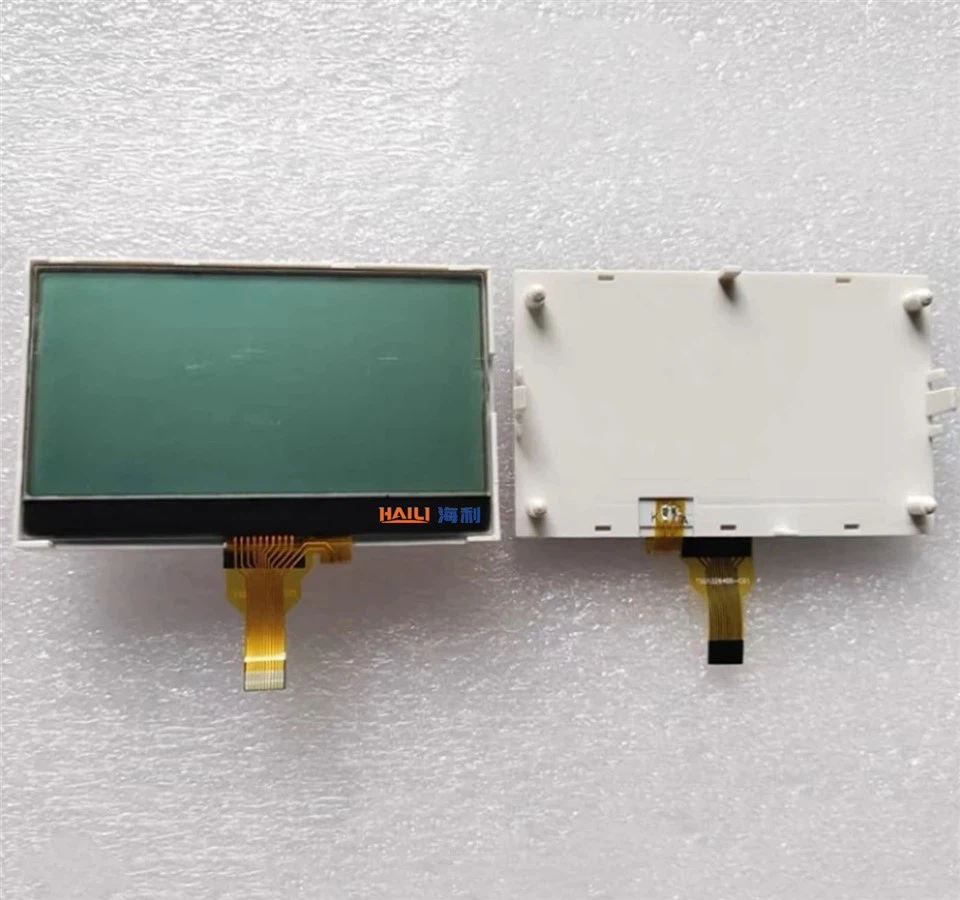
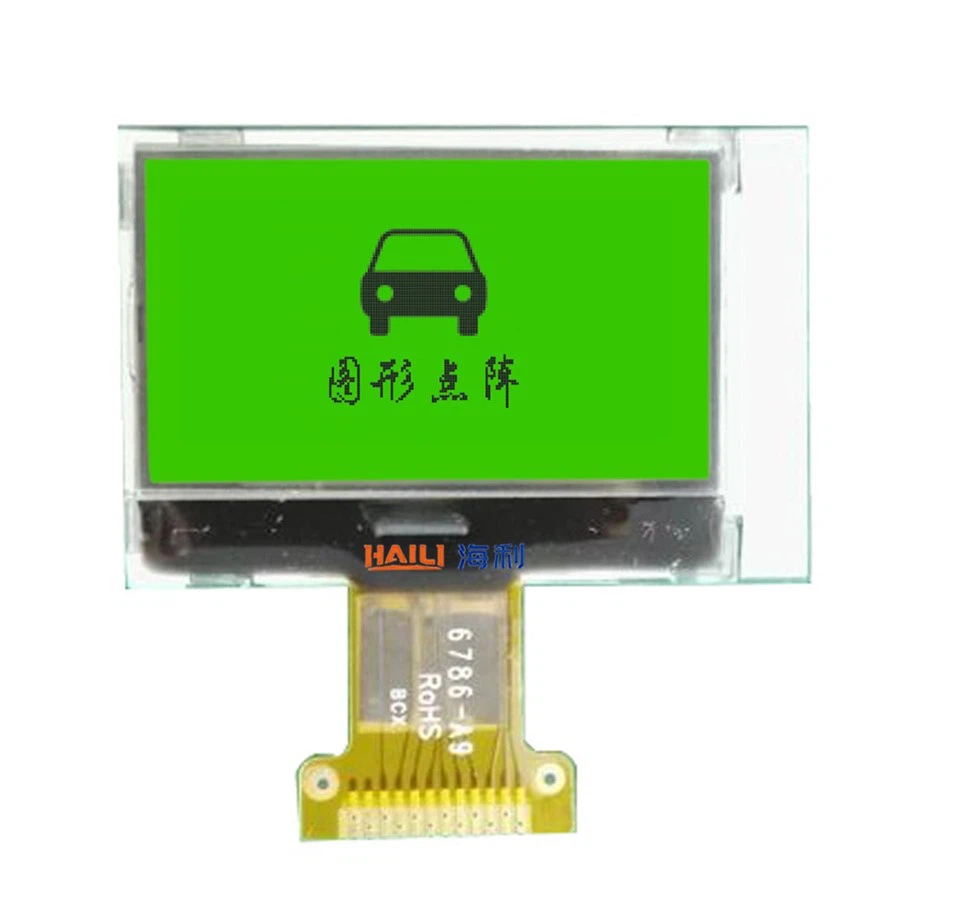
Resolution, which refers to the number of pixels on the screen, also plays a vital role. A higher resolution means sharper and more detailed images. If you're displaying text or graphics that require high clarity, you'll want a display with a good resolution. For example, our 192x64 Dots Matrix COG LCD Display Module offers a decent resolution for various applications. It can show clear text and simple graphics, making it suitable for devices like digital meters and small control units.
Contrast and Brightness
Contrast and brightness are two important aspects that affect the visibility of the display. Contrast is the difference between the darkest and lightest parts of the image. A high - contrast display makes it easier to distinguish between different elements on the screen. For outdoor applications or environments with a lot of ambient light, a high - contrast display is a must.
Brightness, measured in nits, determines how well the display can be seen in different lighting conditions. In bright sunlight, you'll need a display with high brightness to ensure readability. Conversely, in a dimly lit room, a display that can adjust its brightness to a lower level is more comfortable to use. Our 132x64 Dots Matrix COG LCD Display Module has adjustable brightness and good contrast, which makes it versatile for different lighting scenarios.
Viewing Angle
The viewing angle of a display indicates how well you can see the screen from different positions. A wide viewing angle is beneficial, especially in applications where the display may be viewed from multiple directions. For example, in a public information kiosk, people may approach the display from various angles. If the viewing angle is too narrow, the image may appear distorted or unreadable from the side. Our displays are designed to have a relatively wide viewing angle, so you don't have to worry about the visibility issue when viewed from different perspectives.
Response Time
Response time is the time it takes for a pixel to change from one state to another. It's particularly important when displaying moving images or animations. A slow response time can result in motion blur, which is not desirable, especially in applications like gaming or video playback. Although Segment COG LCD Displays are more commonly used for static or slowly changing information, a reasonable response time is still necessary to ensure smooth transitions. Our 128x64 Dots Matrix COG Grahic LCD Display Module has a decent response time, which can handle some dynamic content without significant blurring.
Power Consumption
Power consumption is a big deal, especially for battery - powered devices. You don't want your device to drain the battery quickly just because of the display. Segment COG LCD Displays are generally known for their low power consumption compared to other display technologies. However, different models may still have varying power requirements. When selecting a display, consider the power consumption based on your device's power source and usage patterns. If you're developing a portable device, you'll definitely want a display that consumes as little power as possible to extend the battery life.
Temperature and Environmental Resistance
The operating temperature range of the display is another factor to consider. Different applications may require the display to work in extreme temperatures. For example, in automotive or industrial applications, the display may be exposed to very high or very low temperatures. You need to choose a display that can operate reliably within the expected temperature range.
In addition to temperature, environmental resistance also includes factors like humidity, dust, and vibration. If the display is used in a harsh environment, such as a factory floor or an outdoor location, it should be able to withstand these conditions. Our displays are designed to have good environmental resistance, ensuring stable performance in various situations.
Interface Compatibility
The interface of the display needs to be compatible with your device's control system. Common interfaces include SPI, I2C, and parallel interfaces. Make sure the display you choose has an interface that can easily communicate with your device's microcontroller or other components. This will simplify the integration process and reduce development time.
Cost
Last but not least, cost is always a consideration. You need to balance the features and performance you need with the budget you have. While it's tempting to go for the cheapest option, remember that a low - cost display may not meet all your requirements. On the other hand, spending too much on features you don't really need is also wasteful. As a supplier, we offer a range of Segment COG LCD Displays at different price points, so you can find the one that suits your needs and budget.
In conclusion, selecting the right Segment COG LCD Display involves a careful evaluation of multiple factors. By considering display size, resolution, contrast, brightness, viewing angle, response time, power consumption, temperature and environmental resistance, interface compatibility, and cost, you can make an informed decision. If you're interested in our products or have any questions about choosing the right display for your application, feel free to reach out to us for a detailed discussion and procurement negotiation.
References
- "LCD Display Technology: Principles and Applications" by John Doe
- "Handbook of Display Technologies" edited by Jane Smith


