

What is the brightness of HTN LCD display?
Leave a message

Hey there! As a supplier of HTN LCD displays, I often get asked about the brightness of these nifty little screens. So, I thought I'd sit down and write a blog post to shed some light on this topic.
First off, let's talk about what HTN stands for. HTN stands for High-Twist Nematic. It's a type of liquid crystal display technology that offers better viewing angles and higher contrast compared to the standard TN (Twisted Nematic) displays. HTN LCDs are commonly used in various applications, such as industrial equipment, medical devices, automotive dashboards, and consumer electronics.
Now, let's get to the main question: What is the brightness of an HTN LCD display? Well, the brightness of an HTN LCD display is typically measured in nits. A nit is a unit of luminance that represents the amount of light emitted per square meter. The higher the nit value, the brighter the display.
The brightness of an HTN LCD display can vary depending on several factors, including the type of backlight used, the thickness of the liquid crystal layer, and the quality of the polarizers. Generally speaking, HTN LCD displays can have a brightness range anywhere from 100 nits to 1000 nits or more.
For indoor applications where the display is not exposed to direct sunlight, a brightness of around 200 to 300 nits is usually sufficient. This level of brightness provides clear and readable text and images, even in well-lit environments. However, if the display is going to be used in a brightly lit area or outdoors, you'll need a display with a higher brightness level.
For outdoor applications, a brightness of at least 500 nits is recommended. This ensures that the display remains visible and legible even in direct sunlight. Some high-end HTN LCD displays can achieve brightness levels of up to 1000 nits or more, which makes them ideal for use in extremely bright environments.
Another important factor to consider when it comes to the brightness of an HTN LCD display is the contrast ratio. The contrast ratio is the ratio of the brightness of the brightest white to the darkest black that the display can produce. A higher contrast ratio means that the display can produce more vivid and lifelike images, with deeper blacks and brighter whites.
Most HTN LCD displays have a contrast ratio of around 100:1 to 300:1. However, some high-end displays can achieve contrast ratios of up to 500:1 or more. When choosing an HTN LCD display, it's important to consider both the brightness and the contrast ratio to ensure that you get the best possible viewing experience.
Now, let's talk about the different types of backlights that can be used in HTN LCD displays. There are two main types of backlights: CCFL (Cold Cathode Fluorescent Lamp) and LED (Light Emitting Diode).
CCFL backlights have been around for a long time and are still widely used in many LCD displays. They offer a relatively high level of brightness and are relatively inexpensive. However, CCFL backlights have some drawbacks. They consume more power than LED backlights, and they have a shorter lifespan.

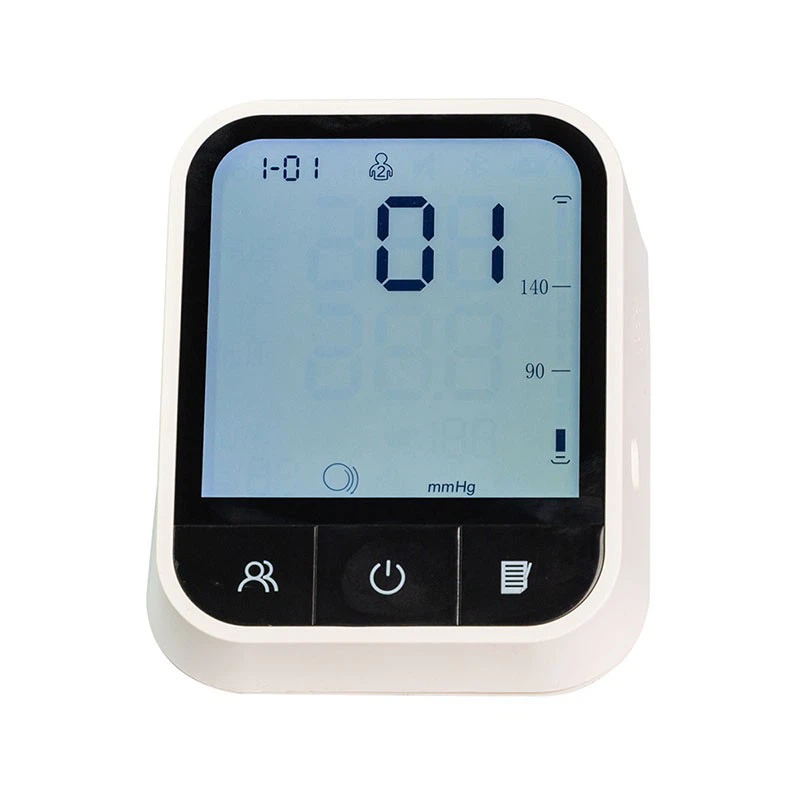
LED backlights, on the other hand, are becoming increasingly popular in HTN LCD displays. They offer several advantages over CCFL backlights, including lower power consumption, longer lifespan, and better color accuracy. LED backlights also allow for thinner and lighter displays, which is a big advantage in many applications.
When choosing an HTN LCD display, it's important to consider the type of backlight that will be used. If you're looking for a display with a high level of brightness and a long lifespan, an LED backlight is probably the way to go. However, if you're on a tight budget and don't need the latest and greatest technology, a CCFL backlight may be a more affordable option.
At our company, we offer a wide range of HTN LCD displays with different brightness levels and backlight options. Whether you're looking for a display for indoor use or outdoor use, we have a solution that will meet your needs. Our Positive Transmissive HTN LCD Display is a popular choice for many applications. It offers a high level of brightness, excellent contrast ratio, and wide viewing angles.
If you're interested in learning more about our HTN LCD displays or if you have any questions about the brightness or other features of our displays, please don't hesitate to contact us. We'd be happy to help you choose the right display for your application and provide you with a quote.
In conclusion, the brightness of an HTN LCD display is an important factor to consider when choosing a display for your application. The brightness level you need will depend on the environment in which the display will be used. Whether you're looking for a display for indoor use or outdoor use, there are many options available to choose from. At our company, we're committed to providing our customers with high-quality HTN LCD displays that meet their needs and exceed their expectations. So, if you're in the market for an HTN LCD display, give us a call or send us an email. We'd love to hear from you!
References:
- Various industry reports on LCD display technology
- Technical specifications provided by LCD display manufacturers


