

What is the input voltage range of a cog lcd display?
Leave a message

Hey there! As a supplier of COG LCD displays, I often get asked about the input voltage range of these nifty little devices. So, I thought I'd take a few minutes to break it down for you and give you all the deets you need to know.
First off, let's talk about what COG stands for. COG stands for Chip On Glass, which is a technology that involves mounting the integrated circuit (IC) directly onto the glass substrate of the LCD display. This results in a more compact and efficient design, making COG LCD displays a popular choice for a wide range of applications, from consumer electronics to industrial equipment.
Now, let's get to the main question: what is the input voltage range of a COG LCD display? Well, the answer isn't as straightforward as you might think. The input voltage range can vary depending on several factors, including the specific model of the display, the type of LCD technology used, and the requirements of the application.
In general, most COG LCD displays have an input voltage range of around 2.7V to 5.5V. This range is compatible with a wide range of power sources, including batteries, USB ports, and regulated power supplies. However, it's important to note that some displays may have a narrower or wider input voltage range, so it's always a good idea to check the datasheet of the specific display you're interested in to confirm the exact range.
One of the key factors that can affect the input voltage range of a COG LCD display is the type of LCD technology used. There are several different types of LCD technologies available, including twisted nematic (TN), super twisted nematic (STN), and in-plane switching (IPS). Each of these technologies has its own unique characteristics and requirements, which can impact the input voltage range of the display.
For example, TN LCDs are the most common type of LCD technology and are known for their low cost and fast response times. However, they also have a relatively narrow viewing angle and may require a higher input voltage to operate properly. On the other hand, IPS LCDs offer a wider viewing angle and better color accuracy, but they may require a lower input voltage and more complex driving circuitry.
Another factor that can affect the input voltage range of a COG LCD display is the requirements of the application. For example, if the display is being used in a battery-powered device, it's important to choose a display with a low power consumption and a wide input voltage range to ensure that the device can operate for as long as possible on a single charge. On the other hand, if the display is being used in an industrial application, it may need to be able to withstand a wider range of input voltages and environmental conditions.
So, now that you know what the input voltage range of a COG LCD display is and what factors can affect it, let's take a look at some of the specific models of COG LCD displays that we offer.
One of our most popular models is the 240x160 Dots Matrix COG LCD Display Moudle. This display features a high-resolution 240x160 dot matrix and a wide input voltage range of 2.7V to 5.5V, making it suitable for a wide range of applications. It also has a fast response time and a low power consumption, making it ideal for battery-powered devices.
Another popular model is the 192x64 Dots Matrix COG LCD Display Module. This display features a high-resolution 192x64 dot matrix and a wide input voltage range of 2.7V to 5.5V, making it suitable for a wide range of applications. It also has a fast response time and a low power consumption, making it ideal for battery-powered devices.
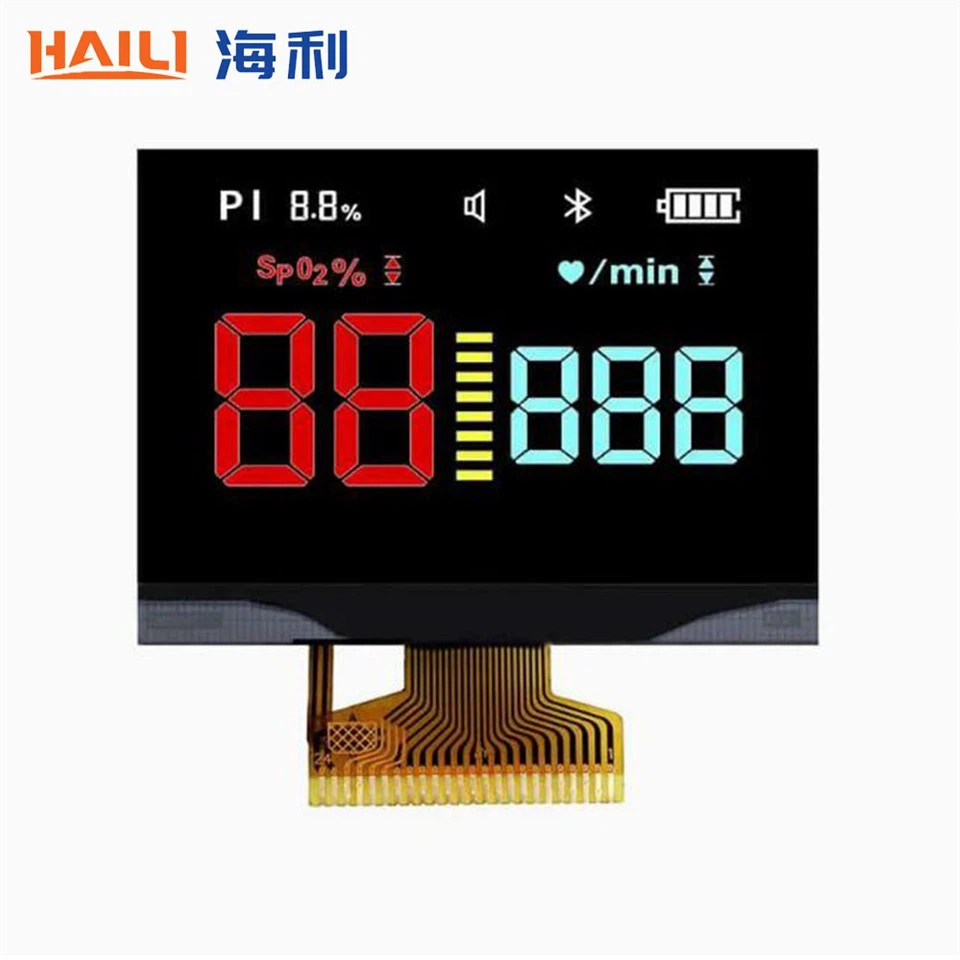

Finally, we also offer a Segment COG LCD Display. This display features a simple segment-based design and a wide input voltage range of 2.7V to 5.5V, making it suitable for a wide range of applications. It also has a low power consumption and a long lifespan, making it ideal for industrial and automotive applications.
In conclusion, the input voltage range of a COG LCD display can vary depending on several factors, including the specific model of the display, the type of LCD technology used, and the requirements of the application. In general, most COG LCD displays have an input voltage range of around 2.7V to 5.5V, but it's always a good idea to check the datasheet of the specific display you're interested in to confirm the exact range.
If you're interested in purchasing a COG LCD display, we'd love to hear from you. We offer a wide range of high-quality COG LCD displays at competitive prices, and our team of experts is always available to help you choose the right display for your application. So, don't hesitate to get in touch with us to discuss your requirements and to get a quote.
References:
- LCD Display Datasheets
- Industry Standards and Guidelines


