

What is the contrast ratio of an LCD backlight?
Leave a message

In the realm of display technology, the contrast ratio of an LCD backlight stands as a pivotal factor that significantly influences the visual experience. As a seasoned LCD Backlight supplier, I've witnessed firsthand the transformative power of a well - calibrated contrast ratio in enhancing the quality of displays across various industries. In this blog, we'll delve deep into what the contrast ratio of an LCD backlight is, why it matters, and how our products at [Your Company Position] excel in this aspect.
Understanding the Concept of Contrast Ratio
The contrast ratio of an LCD backlight is a measure of the difference between the brightest white and the darkest black that the backlight can produce. It is typically expressed as a ratio, such as 1000:1. This means that the brightest white on the display is 1000 times brighter than the darkest black. A higher contrast ratio implies a more vivid and dynamic image, with better differentiation between light and dark areas.
To put it into perspective, imagine watching a movie in a dark room. A display with a low contrast ratio will make the dark scenes appear grayish and washed out, while the bright scenes may lack the necessary pop. On the other hand, a display with a high contrast ratio will showcase deep, inky blacks and bright, vibrant whites, bringing the movie to life.
How Contrast Ratio is Measured
There are two main methods for measuring the contrast ratio of an LCD backlight: static contrast ratio and dynamic contrast ratio.
Static Contrast Ratio
The static contrast ratio is measured under controlled laboratory conditions. It involves displaying a solid white image and a solid black image on the screen and then measuring the luminance of each. The ratio of the luminance of the white image to the luminance of the black image is the static contrast ratio. This measurement provides a baseline for the display's ability to reproduce different levels of brightness and darkness.
Dynamic Contrast Ratio
The dynamic contrast ratio, on the other hand, takes into account the display's ability to adjust the backlight intensity in real - time. When a scene on the screen has both bright and dark areas, the backlight can dim in the dark areas and brighten in the bright areas. This creates a more dramatic difference between the light and dark parts of the image, resulting in a higher contrast ratio. However, dynamic contrast ratio measurements can be somewhat subjective, as they depend on the specific algorithms and sensors used by the display to adjust the backlight.
Importance of Contrast Ratio in Different Applications
The contrast ratio plays a crucial role in various applications, from consumer electronics to industrial displays.
Consumer Electronics
In consumer devices such as televisions, smartphones, and laptops, a high contrast ratio is essential for a captivating viewing experience. Whether you're watching a high - definition movie, playing a video game, or simply browsing through photos, a display with a good contrast ratio will make the colors more vibrant, the details more sharp, and the overall image more engaging.
Professional Displays
For professionals in fields such as graphic design, photography, and video editing, a high - quality display with an accurate contrast ratio is a must. These professionals rely on precise color reproduction and the ability to distinguish between subtle differences in brightness and darkness. A display with a low contrast ratio may lead to inaccurate color representation and make it difficult to spot details in the images or videos being edited.
Industrial Displays
In industrial settings, displays are often used in harsh environments where visibility is crucial. A high contrast ratio ensures that the information on the display is clearly visible, even in bright sunlight or low - light conditions. This is particularly important for applications such as control panels, medical equipment, and automotive displays.
Our LCD Backlights and Contrast Ratio
At [Your Company Position], we understand the importance of a high - quality contrast ratio in LCD backlights. Our products are designed and engineered to deliver exceptional performance in this regard.
We use advanced backlight technologies to achieve high static and dynamic contrast ratios. Our LED backlights, for example, are carefully calibrated to provide a uniform distribution of light across the screen, ensuring that the contrast is consistent from edge to edge. We also incorporate intelligent backlight control systems that can adjust the brightness in real - time, optimizing the contrast ratio based on the content being displayed.
One of our popular products is the LED Backlight with Fluorescent Colors. This backlight is designed to enhance the color accuracy and contrast of LCD displays. The fluorescent colors add an extra layer of vibrancy to the images, making them more visually appealing.
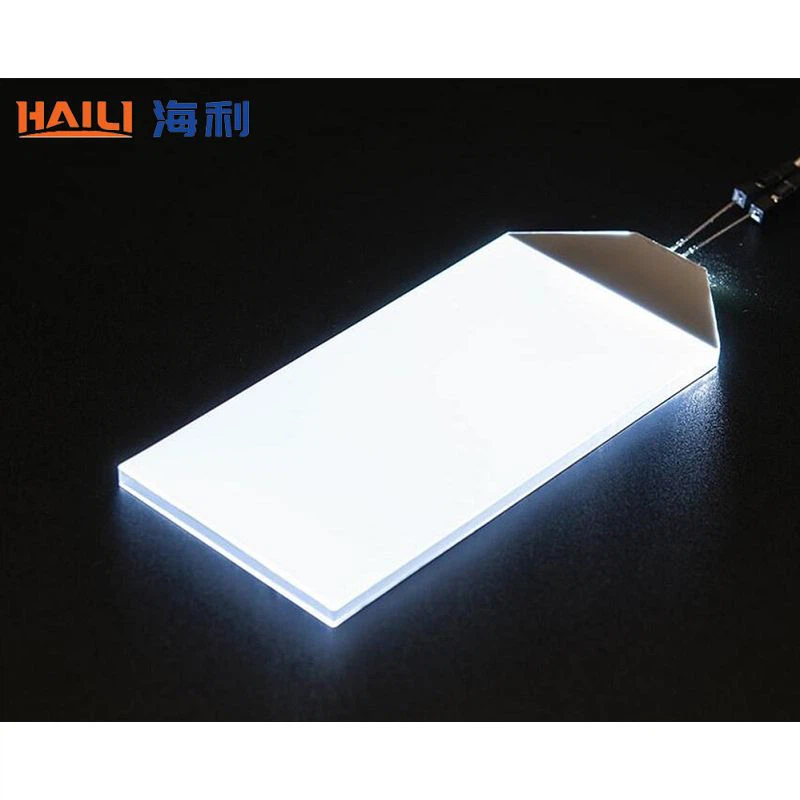
Our LCD Backlight product line is also known for its high - quality contrast ratio. We offer a wide range of backlights with different specifications to meet the diverse needs of our customers. Whether you need a backlight for a small - sized display or a large - scale industrial monitor, we have the right solution for you.
Factors Affecting Contrast Ratio in LCD Backlights
Several factors can affect the contrast ratio of an LCD backlight.
Backlight Type
Different types of backlights, such as CCFL (Cold Cathode Fluorescent Lamp) and LED (Light - Emitting Diode), have different characteristics that can impact the contrast ratio. LED backlights generally offer better contrast ratios than CCFL backlights because they can be more precisely controlled and have a faster response time.

Panel Technology
The type of LCD panel used in conjunction with the backlight also plays a role in the contrast ratio. For example, IPS (In - Plane Switching) panels are known for their wide viewing angles and good color accuracy, but they may have a lower contrast ratio compared to VA (Vertical Alignment) panels. VA panels, on the other hand, typically offer higher contrast ratios but may have more limited viewing angles.
Ambient Light
The ambient light in the environment where the display is used can affect the perceived contrast ratio. In bright environments, the contrast may appear lower because the ambient light washes out the dark areas of the screen. To counter this, some displays are equipped with anti - glare coatings and automatic brightness adjustment features.
Tips for Optimizing Contrast Ratio
If you're using an LCD display and want to optimize its contrast ratio, here are some tips:
- Adjust the Backlight Settings: Most displays allow you to adjust the backlight brightness. Find the right balance between a bright enough display for visibility and a setting that doesn't cause the image to appear washed out.
- Calibrate the Display: Use calibration tools or software to adjust the color and contrast settings of your display. This can help ensure that the colors are accurate and the contrast ratio is optimized.
- Reduce Ambient Light: Try to minimize the amount of ambient light around the display. Use curtains or blinds to block out sunlight, and avoid placing the display in front of bright lights.
Contact Us for Your LCD Backlight Needs
As an established LCD Backlight supplier, we are committed to providing our customers with high - quality products and excellent customer service. If you're in the market for an LCD backlight with a superior contrast ratio, we'd love to hear from you. Whether you're a consumer looking for a better viewing experience, a professional in need of accurate color reproduction, or an industrial user requiring reliable displays, we have the solutions to meet your needs.
Please reach out to us to discuss your specific requirements and explore how our LCD backlights can enhance your displays. We look forward to the opportunity to work with you and help you achieve the best possible visual experience.
References
- "Fundamentals of Display Technology" by Mark A. Stettler
- "Display Technology Handbook" edited by John C. C. Fan


