

What is the difference between a monochrome and color segment LCD display?
Leave a message

Hey there! As a supplier of segment LCD displays, I often get asked about the differences between monochrome and color segment LCD displays. It's a pretty common question, and it's important to understand these differences if you're in the market for a segment LCD display for your product. So, let's dive right in and explore what sets these two types of displays apart.
What is a Segment LCD Display?
Before we get into the differences between monochrome and color segment LCD displays, let's quickly go over what a segment LCD display is. A segment LCD display is a type of liquid crystal display that uses individual segments to form numbers, letters, or simple symbols. These segments are typically arranged in a pattern, like the classic seven - segment display used in digital clocks and calculators. They're great for applications where you need to display basic information in a simple and cost - effective way.
Monochrome Segment LCD Displays
Monochrome segment LCD displays are the more traditional type. They usually display information in a single color, most commonly black on a white background or vice versa.
Pros
- Cost - Effective: One of the biggest advantages of monochrome segment LCD displays is their cost. They're generally much cheaper to produce than color displays. This makes them a great choice for budget - conscious projects or products where cost is a major factor. For example, if you're manufacturing a large number of simple devices like calculators or basic digital thermometers, a monochrome segment LCD display can help you keep your production costs down.
- Power Efficiency: Monochrome displays consume less power compared to color displays. This is because they don't have to deal with the additional complexity of producing multiple colors. For battery - powered devices, this means longer battery life. A small handheld device with a monochrome segment LCD display can run for a long time on a single set of batteries.
- High Contrast and Readability: Monochrome displays typically offer high contrast, which makes the information easy to read. Whether it's bright sunlight or a dimly lit room, the clear distinction between the segment color and the background ensures that the displayed content is visible.
Cons
- Limited Aesthetics: The single - color nature of monochrome displays can make them look a bit plain. If you're looking for a display that can add some visual appeal to your product, a monochrome display might not be the best choice.
- Limited Information Display: Since they only have one color, it can be difficult to convey complex information or differentiate between different types of data. For example, if you want to show different levels of a parameter (like high, medium, and low) in a visually distinct way, a monochrome display may not be sufficient.
Some common applications of monochrome segment LCD displays include Segment LCD Display for Weight Scale, basic digital watches, and simple measurement devices.
Color Segment LCD Displays
Color segment LCD displays, on the other hand, can display information in multiple colors. This adds a whole new level of functionality and visual appeal to the display.
Pros
- Enhanced Visual Appeal: The ability to display multiple colors makes color segment LCD displays much more visually appealing. They can make your product stand out on the market. For example, a fitness tracker with a color segment LCD display can use different colors to show different types of data, like green for steps taken, blue for heart rate, and red for calories burned.
- Better Data Differentiation: With multiple colors, it's easier to distinguish between different types of information. This can be very useful in applications where you need to display complex data. For instance, in a medical device, different colors can be used to represent different vital signs, making it easier for medical professionals to quickly interpret the data. You can check out Segment LCD Display for Medical Device for more details on this application.
- Customization: Color segment LCD displays offer more customization options. You can choose the colors that best suit your brand or the specific requirements of your product. This allows you to create a unique look and feel for your device.
Cons
- Higher Cost: Producing color segment LCD displays is more expensive than monochrome displays. The additional components and processes required to create multiple colors drive up the cost. This can be a significant factor if you're working on a tight budget.
- Higher Power Consumption: Color displays need more power to operate because they have to control multiple color elements. This can be a drawback for battery - powered devices, as it may reduce the battery life.
- Complexity in Design and Manufacturing: Designing and manufacturing color segment LCD displays is more complex. There are more factors to consider, such as color accuracy and color mixing. This can lead to longer production times and more potential for manufacturing defects.
Which One Should You Choose?
The choice between a monochrome and color segment LCD display depends on several factors.
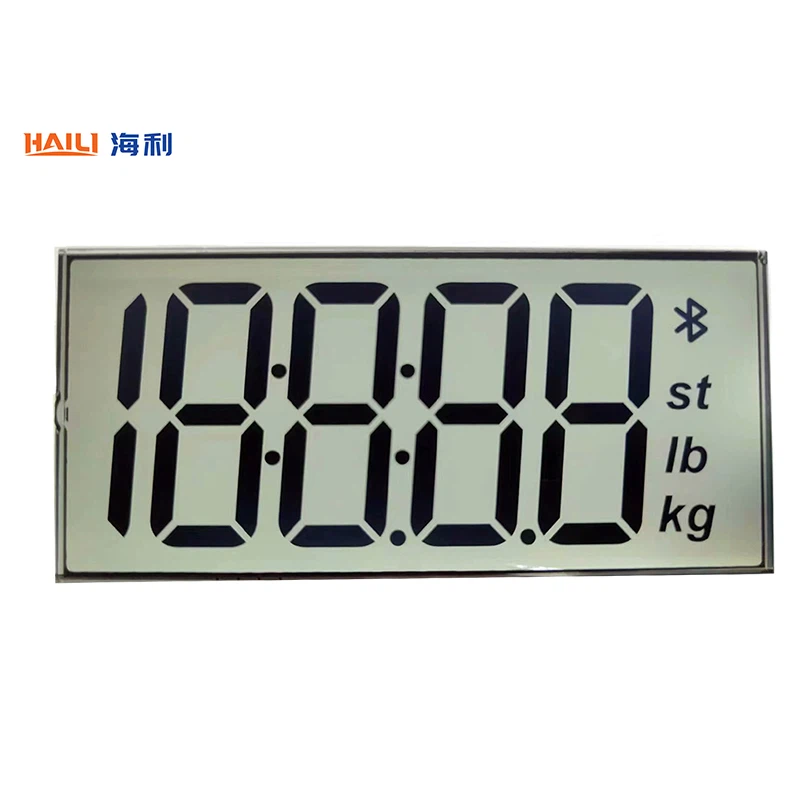
If you're working on a project with a limited budget, need a power - efficient display, and your information display requirements are simple, a monochrome segment LCD display is probably the way to go. It's a reliable and cost - effective solution for many basic applications.
On the other hand, if your product needs to stand out visually, you have a larger budget, and you need to display complex data in a more differentiated way, a color segment LCD display would be a better choice. It offers more functionality and a more modern look.
We also offer Segment LCD Display with FPC Connector, which can be used with both monochrome and color segment LCD displays depending on your needs.
Contact Us for Your Segment LCD Display Needs
If you're still not sure which type of segment LCD display is right for your product, or if you have any questions about our products, don't hesitate to reach out. We're here to help you make the best decision for your project. Whether you're in the market for a monochrome or color segment LCD display, we have the expertise and the products to meet your requirements. Contact us today to start the procurement process and let's work together to bring your product to life.
References
- LCD Technology Basics: Understanding the fundamentals of liquid crystal displays.
- Market Research Reports on Display Technologies: Insights into the cost, performance, and market trends of monochrome and color segment LCD displays.


