

What is the difference between HTN LCD display and TN LCD display?
Leave a message

Hey there! As a supplier of HTN LCD displays, I often get asked about the differences between HTN LCD displays and TN LCD displays. So, I thought I'd write this blog to clear up any confusion and give you a better understanding of these two types of LCD displays.
What are TN LCD Displays?
Let's start with TN LCD displays. TN stands for Twisted Nematic. These are one of the oldest and most common types of LCD technologies out there. TN LCDs work by using liquid crystals that are twisted between two polarizing filters. When an electric current is applied, the liquid crystals untwist, allowing light to pass through and create an image on the screen.
One of the biggest advantages of TN LCD displays is their speed. They have very fast response times, which makes them great for applications where you need to display fast - moving images, like in gaming monitors. They're also relatively inexpensive to produce, which means you can get a TN LCD display at a lower cost compared to some other types.
However, TN LCD displays do have some drawbacks. Their viewing angles are pretty limited. If you look at a TN LCD screen from the side, the colors can look washed out, and the contrast can drop significantly. Also, the color accuracy of TN LCDs isn't the best. They tend to have a more limited color gamut, which means they can't display as wide a range of colors as some other types of LCDs.
What are HTN LCD Displays?
Now, let's talk about HTN LCD displays. HTN stands for High - Twisted Nematic. HTN LCDs are an improvement over TN LCDs in several ways. Just like TN LCDs, HTN LCDs also use liquid crystals, but the liquid crystals in HTN displays are twisted at a higher angle (usually around 220 - 270 degrees, compared to about 90 degrees in TN displays).
This higher twist angle gives HTN LCD displays better viewing angles. You can look at an HTN LCD screen from a wider range of angles without experiencing a significant drop in color quality or contrast. The color accuracy of HTN LCD displays is also better than that of TN LCDs. They can display a wider range of colors, which makes them more suitable for applications where color accuracy is important.
Another advantage of HTN LCD displays is their high contrast ratio. A high contrast ratio means that the difference between the brightest whites and the darkest blacks on the screen is more pronounced. This results in a clearer and more vivid image.
HTN LCD displays are available in different modes, such as positive transmissive. You can check out our Positive Transmissive HTN LCD Display for more details on one of our popular HTN LCD products.
Performance Comparison
Response Time
When it comes to response time, TN LCD displays have the upper hand. As I mentioned earlier, TN LCDs are known for their fast response times. This is because the 90 - degree twist of the liquid crystals in TN displays can be untwisted quickly when an electric current is applied. On the other hand, the higher twist angle in HTN LCD displays means that it takes a bit more time for the liquid crystals to untwist and change the state of the pixels. So, if you're looking for a display for high - speed gaming or fast - paced video content, TN LCDs might be a better choice.
Viewing Angles
As we've already discussed, HTN LCD displays have much better viewing angles than TN LCD displays. With TN LCDs, you typically need to view the screen straight on to get the best image quality. If you look at the screen from the side, the image can become distorted, and the colors can lose their vibrancy. HTN LCDs, however, allow you to view the screen from a wider range of angles without a significant loss of quality. This makes HTN LCDs more suitable for applications where the screen might be viewed from different positions, such as in industrial control panels or medical devices.
Color Accuracy
Color accuracy is where HTN LCD displays really shine. TN LCDs have a limited color gamut, which means they can't reproduce colors as accurately as HTN LCDs. HTN LCDs can display a wider range of colors, making the images on the screen look more realistic and vibrant. If your application requires accurate color representation, like in graphic design or photo editing, HTN LCD displays are the way to go.
Contrast Ratio
HTN LCD displays generally have a higher contrast ratio than TN LCD displays. A high contrast ratio is important because it makes the image on the screen look more clear and sharp. In TN LCDs, the difference between the bright and dark areas of the image might not be as pronounced, which can make the image look a bit washed out. HTN LCDs, with their higher contrast ratio, can display deeper blacks and brighter whites, resulting in a more visually appealing image.

Applications
TN LCD Applications
TN LCD displays are commonly used in applications where speed and cost are the main considerations. Gaming monitors often use TN LCD technology because of their fast response times, which help to reduce motion blur and ghosting in fast - moving games. They're also used in some entry - level laptops and computer monitors because of their relatively low cost.
HTN LCD Applications
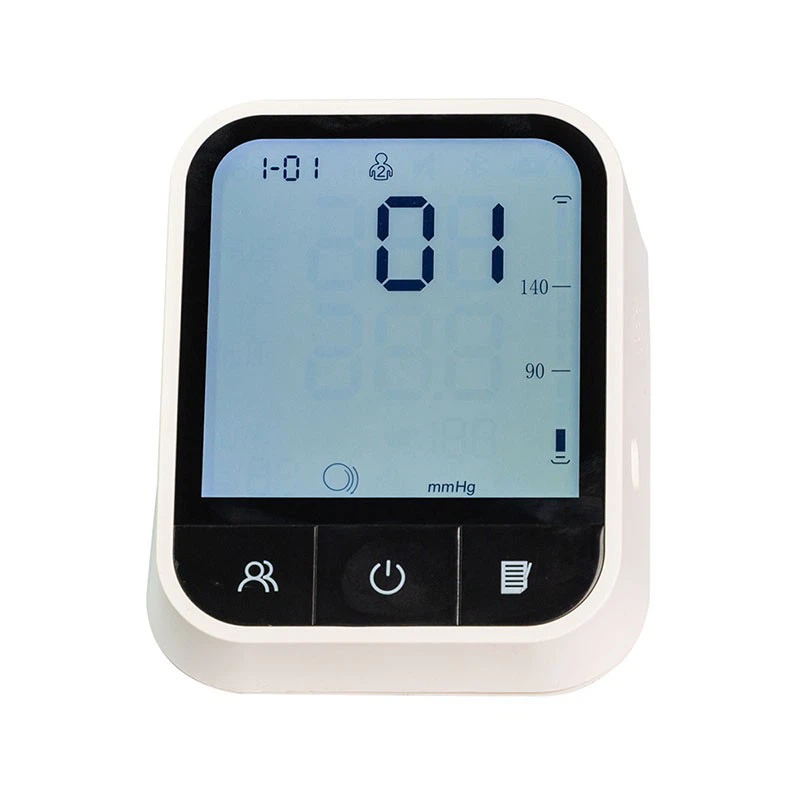
HTN LCD displays are used in a wide range of applications where good viewing angles, color accuracy, and high contrast are important. Industrial control panels, for example, need to be visible from different angles, and accurate color representation can help operators quickly identify different status indicators. Medical devices also often use HTN LCD displays because they require accurate color and high - quality images for proper diagnosis and monitoring.
Cost Considerations
TN LCD displays are generally less expensive to produce than HTN LCD displays. This is because the manufacturing process for TN LCDs is simpler, and they use less complex liquid crystal materials. If cost is a major factor in your decision - making process, and you don't need the advanced features of HTN LCD displays, then TN LCDs might be a more suitable choice for you.
However, if you're willing to invest a bit more for better viewing angles, color accuracy, and contrast, then HTN LCD displays are worth considering. The improved performance can lead to a better user experience and, in some cases, can even increase the efficiency and effectiveness of your application.
Conclusion
In conclusion, both TN and HTN LCD displays have their own unique advantages and disadvantages. TN LCD displays are great for applications where speed and cost are the top priorities, while HTN LCD displays offer better viewing angles, color accuracy, and contrast.
As a supplier of HTN LCD displays, I can offer you high - quality HTN LCD products that are suitable for a wide range of applications. If you're interested in learning more about our HTN LCD displays or if you have any questions about the differences between TN and HTN LCDs, feel free to reach out to us. We'd be more than happy to discuss your specific requirements and help you find the right display solution for your needs.
References
- F. J. Kahn, "Liquid Crystal Displays: Addressing Schemes and Electro - Optical Effects," Wiley - VCH, 2007.
- S. T. Wu and D. K. Yang, "Fundamentals of Liquid Crystal Devices," Wiley, 2006.


