

How to ensure a segment LCD display works well in a high - altitude environment?
Leave a message

As a supplier of segment LCD displays, I've encountered numerous challenges and inquiries from clients, especially those operating in unique environments. One such challenging environment is the high - altitude region. In this blog, I'll share insights on how to ensure a segment LCD display works well in a high - altitude environment.
Understanding the High - Altitude Environment
High - altitude areas come with a set of environmental factors that can significantly impact the performance of segment LCD displays. The most prominent factors are low air pressure, extreme temperatures, and high levels of ultraviolet (UV) radiation.
Low air pressure at high altitudes can cause issues with the internal components of the LCD display. The reduced air pressure can lead to the expansion of gases trapped within the display's layers. This expansion may result in delamination, where the different layers of the LCD start to separate, leading to visual defects and eventually, display failure.
Temperature variations are also a major concern. High - altitude regions often experience large temperature swings, with extremely cold nights and relatively warm days. Segment LCD displays are sensitive to temperature changes. Cold temperatures can slow down the response time of the liquid crystals, causing the display to become sluggish and the images or characters to appear distorted. On the other hand, high temperatures can increase the conductivity of the internal circuits, potentially leading to overheating and component damage.
UV radiation is another factor that can degrade the performance of segment LCD displays. Prolonged exposure to high - intensity UV rays can cause the materials in the display, such as the polarizers and the liquid crystal layer, to break down. This can result in a loss of contrast, color fading, and a reduction in the overall lifespan of the display.
Selecting the Right Materials
To ensure the proper functioning of segment LCD displays in high - altitude environments, it's crucial to select the right materials during the manufacturing process.
For the liquid crystal material, choose a type that has a wide operating temperature range. Some liquid crystals are specifically designed to perform well in extreme cold or hot conditions. These specialized liquid crystals can maintain their fluidity and electrical properties over a broader temperature spectrum, ensuring that the display remains responsive even in high - altitude temperature variations.
The polarizers used in the LCD display should also be UV - resistant. High - quality polarizers with UV - blocking coatings can prevent the harmful effects of UV radiation. These coatings absorb or reflect the UV rays, protecting the underlying liquid crystal layer and other internal components from degradation.
In addition, the encapsulation materials are important. A robust encapsulation can protect the display from the low - pressure environment. Materials with good adhesion and flexibility can prevent delamination caused by pressure changes. Silicone - based encapsulants are often a good choice as they can withstand temperature variations and provide a reliable seal around the display.
Design Considerations
The design of the segment LCD display also plays a vital role in its performance at high altitudes.
Thermal management is a key aspect of the design. Incorporate heat sinks or thermal pads into the display's structure. These components can help dissipate heat generated during operation, preventing overheating. For cold - weather performance, consider adding heating elements to the display. These heating elements can warm up the liquid crystal layer to an optimal operating temperature, ensuring fast response times even in freezing conditions.
The mechanical design should also account for the low - pressure environment. Use a sturdy frame to support the display and prevent it from being deformed by the pressure difference. The frame should be made of materials that can withstand the stress caused by pressure changes, such as aluminum or stainless steel.
Electrical design is equally important. Use high - quality resistors, capacitors, and other electronic components that can operate reliably in extreme temperatures. These components should have a low temperature coefficient of resistance to ensure stable electrical performance.
Testing and Quality Assurance
Before deploying the segment LCD displays in high - altitude environments, thorough testing is essential.
Conduct temperature cycling tests to simulate the large temperature variations experienced at high altitudes. The display should be tested at both the lowest and highest expected temperatures for an extended period. This will help identify any issues with the liquid crystal response time, component performance, and overall display functionality.
Pressure testing is also necessary. Use a pressure chamber to simulate the low - pressure conditions at high altitudes. Monitor the display for any signs of delamination or other pressure - related issues.
UV testing can be done using a UV chamber. Expose the display to high - intensity UV radiation for a specified period and check for any degradation in contrast, color, or other visual properties.
Quality assurance processes should be in place to ensure that only displays that meet the required standards are shipped to customers. This includes visual inspections, electrical performance tests, and functional tests.
Applications and Product Recommendations
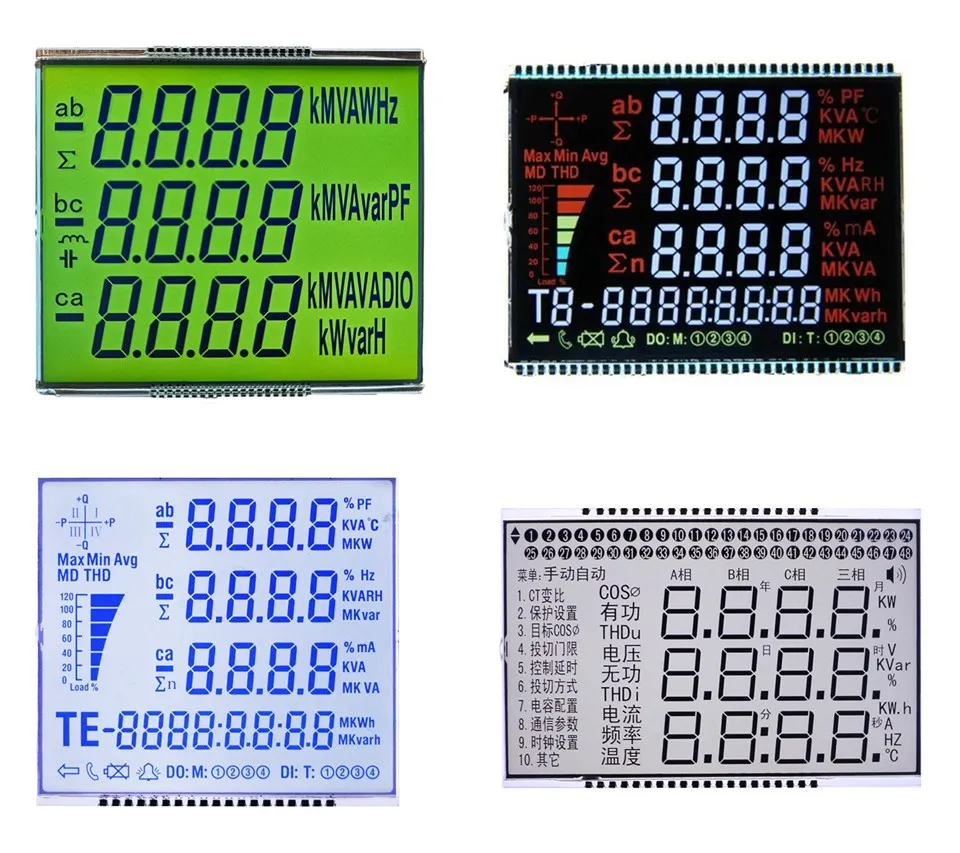
Segment LCD displays have a wide range of applications in high - altitude environments. For example, they are commonly used in power meters in mountainous regions. The Segment LCD Display for Power Meter is designed to provide accurate readings even in challenging high - altitude conditions. These displays are built with the right materials and design features to withstand temperature variations, low pressure, and UV radiation.
Another application is in devices with touch panels. The Segment LCD Display with Touch Panel offers a user - friendly interface that can be used in high - altitude control systems. The touch panel functionality is designed to work reliably in extreme environments, providing a seamless user experience.
Displays with FPC connectors are also popular in high - altitude applications. The Segment LCD Display with FPC Connector offers a flexible and reliable connection, which is important for ensuring stable electrical performance in high - altitude environments.
Conclusion
Ensuring that a segment LCD display works well in a high - altitude environment requires a comprehensive approach. From selecting the right materials and designing the display with proper thermal and mechanical features to conducting thorough testing and quality assurance, every step is crucial.
If you are in need of segment LCD displays for high - altitude applications, we are here to help. Our team of experts can provide customized solutions based on your specific requirements. Whether it's for power meters, touch - panel devices, or displays with FPC connectors, we have the expertise and products to meet your needs. Contact us to start a procurement discussion and find the best segment LCD display solution for your high - altitude projects.

References
- "Liquid Crystal Displays: Principles and Applications" by Shin - Tson Wu and Dai - Zhang Yang.
- "Handbook of Display Technology" edited by John A. Robertson.
- Research papers on high - altitude electronics and display technology from IEEE and SID conferences.


