

What is the color gamut of an LCD backlight?
Leave a message

Hey there! As a supplier of LCD Backlight, I often get asked about the color gamut of an LCD backlight. So, I thought I'd take a moment to break it down for you in a way that's easy to understand.
First things first, what exactly is color gamut? Well, think of it as the range of colors that a display can reproduce. Every color we see can be represented on a color space, like the CIE 1931 color space, which is a standard way to map out all the visible colors to the human eye. A display's color gamut is the subset of this color space that it can actually show on the screen.
Now, why is color gamut important? In simple terms, a wider color gamut means a display can show more vivid, accurate, and lifelike colors. This is crucial for applications where color accuracy matters, like graphic design, video editing, and even gaming. If you're a designer working on a project, you want to see the colors exactly as they'll appear in the final product. A limited color gamut can lead to colors looking washed out or inaccurate, which can be a real headache.
Let's talk about how LCD backlights play into all of this. LCDs, or liquid crystal displays, don't actually emit light on their own. Instead, they rely on a backlight to illuminate the liquid crystals, which then control how much light passes through to create an image. The type of backlight used has a significant impact on the color gamut of the LCD.
One of the most common types of backlights is the cold cathode fluorescent lamp (CCFL). CCFL backlights have been around for a while and are known for their relatively wide color gamut. They can cover a decent portion of the sRGB color space, which is a standard color space used for most web and computer displays. However, they do have some limitations. For example, they can be a bit power-hungry and may not offer the same level of color accuracy as some newer technologies.
On the other hand, we have LED Backlight with Fluorescent Colors, which have become increasingly popular in recent years. LED backlights are more energy-efficient, have a longer lifespan, and can offer a wider color gamut compared to CCFLs. There are different types of LED backlights, including white LED and RGB LED.
White LED backlights are the most common type. They use a blue LED with a yellow phosphor to create white light. While they can provide a good balance of brightness and color accuracy, their color gamut is typically limited to the sRGB color space. However, some manufacturers have developed advanced white LED backlights that can cover a wider color gamut, such as the DCI-P3 color space, which is used in the film industry.

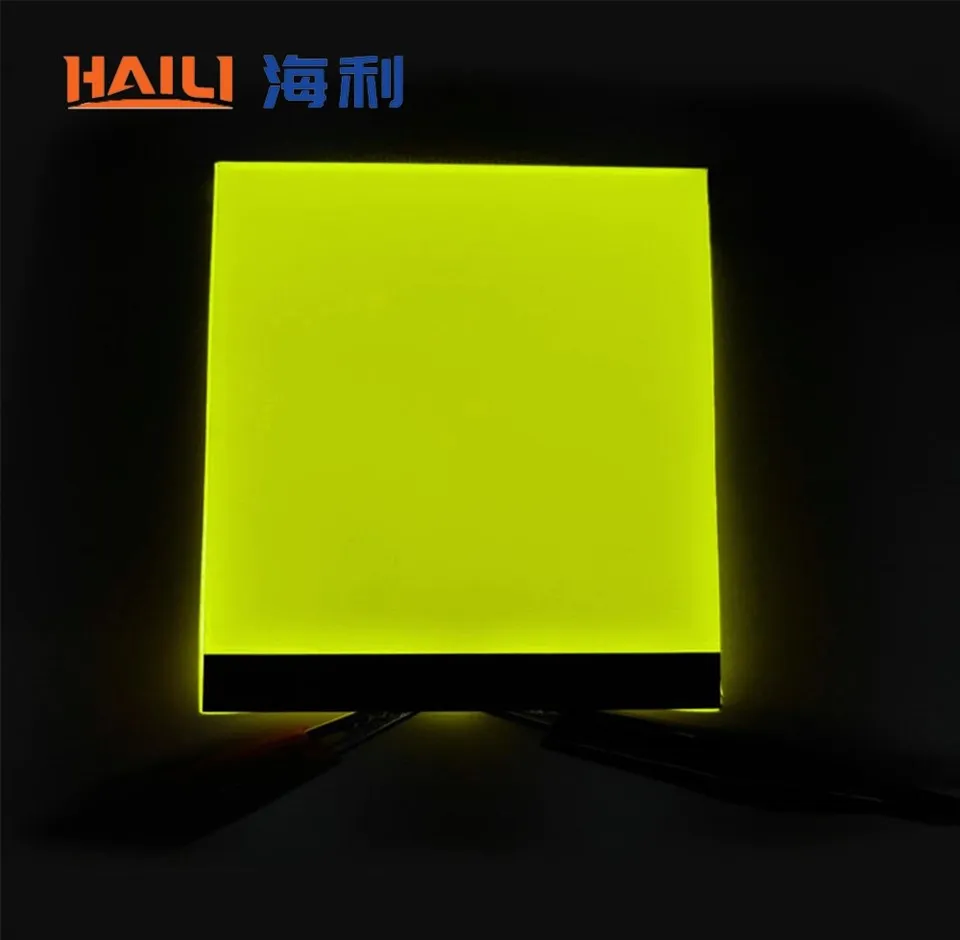
RGB LED backlights, on the other hand, use separate red, green, and blue LEDs to create light. This allows for more precise control over the color output and can result in a much wider color gamut. RGB LED backlights can cover a large portion of the DCI-P3 color space and even some of the Rec. 2020 color space, which is the standard for ultra-high-definition televisions. However, they are more expensive and complex to manufacture compared to white LED backlights.
So, how do you choose the right LCD backlight based on color gamut? It really depends on your specific needs and budget. If you're looking for a budget-friendly option for general use, a white LED backlight with a decent sRGB color gamut may be sufficient. However, if you're working in a professional field where color accuracy is crucial, such as graphic design or video production, you may want to consider an RGB LED backlight with a wider color gamut.
At our company, we offer a wide range of LCD Backlight solutions to meet different needs and budgets. Whether you're looking for a standard white LED backlight or a high-end RGB LED backlight, we've got you covered. Our team of experts can help you choose the right backlight for your application and ensure that you get the best possible color performance.
If you're interested in learning more about our LCD backlight products or have any questions about color gamut, feel free to reach out to us. We'd be happy to have a chat and help you find the perfect solution for your needs. Whether you're a small business looking to upgrade your displays or a large corporation in need of custom backlight solutions, we're here to assist you every step of the way.
In conclusion, color gamut is an important factor to consider when choosing an LCD backlight. It can have a significant impact on the quality and accuracy of the colors you see on the screen. By understanding the different types of backlights and their color gamut capabilities, you can make an informed decision and choose the right backlight for your specific needs. So, don't hesitate to contact us if you're ready to take your display to the next level with our high-quality LCD backlights.
References
- "Fundamentals of Liquid Crystal Displays" by Shin-Tson Wu and Daiju Tsai
- "Color Science: Concepts and Methods, Quantitative Data and Formulae" by Günter Wyszecki and W. S. Stiles


